Frequently Asked Questions
None - Questions not provided for analysis?
The absence of specific questions means we cannot provide targeted answers. For any inquiries about solar panel installations or battery storage options, please reach out to our team for expert assistance.
What are the benefits of solar installations?
The benefits of solar installations include reduced energy bills, increased property value, and a positive environmental impact by lowering carbon emissions. Additionally, they offer energy independence and potential government incentives, making them a smart investment for homeowners and businesses alike.
How do battery storage systems work?
Battery storage systems work by capturing excess energy generated from solar panels and storing it for later use. This stored energy can then be released during periods of low solar production, providing a reliable power supply and maximising energy efficiency.
What is the cost of solar panel installation?
The cost of solar panel installation varies based on factors such as system size, location, and specific requirements. On average, homeowners can expect to invest between £4,000 and £8,000 for a complete installation.
How long do solar panels last?
Solar panels typically last between 25 to 30 years, with many manufacturers offering warranties that reflect this lifespan. With proper maintenance, they can continue to operate efficiently even beyond this period.
What maintenance do solar panels require?
The maintenance required for solar panels is minimal. Regular cleaning to remove dirt and debris, along with periodic inspections to ensure all components are functioning correctly, will help maximise efficiency and longevity.
Can solar panels work in cloudy weather?
Solar panels can indeed work in cloudy weather. While their efficiency may be reduced, they still generate electricity from diffused sunlight, making them a viable energy source even on overcast days.
What incentives are available for solar energy?
Incentives available for solar energy include government grants, tax credits, and feed-in tariffs, which can significantly reduce installation costs and enhance the financial benefits of switching to solar power.
How to choose the right solar installer?
Choosing the right solar installer involves assessing their experience, certifications, and customer reviews. Ensure they offer transparent pricing, warranties, and post-installation support to guarantee a reliable and efficient solar energy system.
What size solar system do I need?
The size of the solar system you need depends on your energy consumption and available roof space. Generally, a system between 3kW to 6kW is suitable for most homes, but a consultation can provide a tailored recommendation.
How much energy can solar panels generate?
The energy that solar panels can generate varies based on factors such as panel size, efficiency, and sunlight exposure. On average, a typical residential solar panel system can produce between 250 to 400 watts per panel, potentially generating enough energy to power a home or business.
What is the process for solar installation?
The process for solar installation involves several key steps: an initial consultation to assess your energy needs, a site survey to evaluate your property, the design of a customised solar system, obtaining necessary permits, installation of the panels, and final inspection to ensure everything is functioning correctly.
Are there financing options for solar systems?
Financing options for solar systems are available to help make the transition to renewable energy more affordable. We offer various plans, including loans and leasing options, tailored to suit your budget and needs.
How do I get a quote for installation?
To obtain a quote for installation, simply visit our website and fill out the online form. You’ll receive a quick, no-obligation quote tailored to your specific needs.
What are the environmental benefits of solar energy?
The environmental benefits of solar energy include reducing greenhouse gas emissions, decreasing air pollution, and conserving water resources. By harnessing sunlight, solar energy contributes to a more sustainable and cleaner environment for future generations.
How does battery storage improve energy efficiency?
Battery storage improves energy efficiency by storing excess solar energy generated during the day for use during peak demand times or at night, reducing reliance on the grid and lowering energy costs.
What types of solar panels are available?
The types of solar panels available include monocrystalline, polycrystalline, and thin-film. Each type varies in efficiency, cost, and installation requirements, catering to different energy needs and preferences.
How can I maximise my solar energy usage?
Maximising your solar energy usage involves optimising your energy consumption patterns, such as running appliances during daylight hours, using energy-efficient devices, and considering battery storage to utilise excess energy when the sun isn't shining.
What is the difference between solar and battery systems?
The difference between solar and battery systems lies in their functions: solar panels convert sunlight into electricity, while battery systems store that electricity for later use, ensuring you have power even when the sun isn't shining.
How do solar panels affect property value?
The impact of solar panels on property value is significant. Homes equipped with solar energy systems often see an increase in value, as buyers appreciate the long-term savings on energy costs and the environmental benefits associated with renewable energy.
What are common misconceptions about solar energy?
Common misconceptions about solar energy include the belief that it only works in sunny climates, that it is too expensive to install, and that solar panels require excessive maintenance. In reality, solar technology is effective in various weather conditions, costs have significantly decreased, and maintenance is minimal.
How can I monitor my solar energy production?
Monitoring your solar energy production can be easily accomplished using a solar monitoring system. These systems provide real-time data on energy output through a smartphone app or web portal, allowing you to track performance and optimise energy usage efficiently.
What is the lifespan of a battery storage system?
The lifespan of a battery storage system typically ranges from 5 to 15 years, depending on the type of battery, usage patterns, and maintenance. With proper care, some systems can even last longer.
How do I know if solar is right for me?
Determining if solar is right for you involves assessing your energy needs, roof suitability, and local sunlight exposure. A consultation with our experts can provide tailored insights and help you make an informed decision.
What are the installation timelines for solar systems?
The installation timelines for solar systems typically range from a few days to several weeks, depending on factors such as system size, site preparation, and permitting processes. Our team will provide a detailed timeline during your consultation.
How do solar panels connect to the grid?
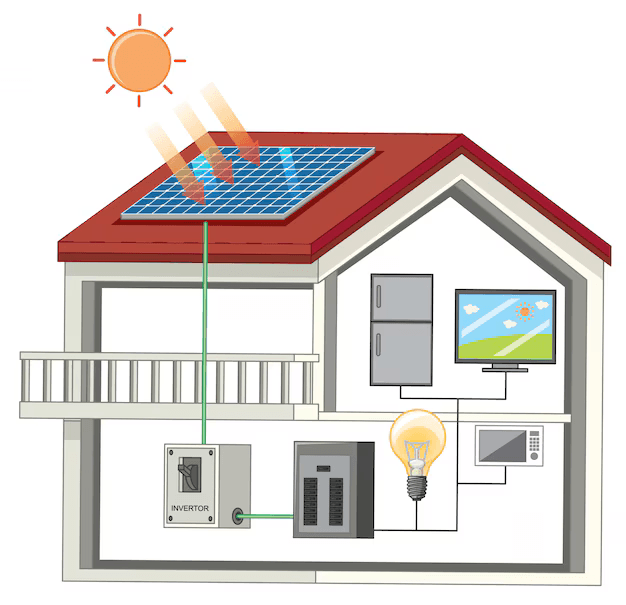
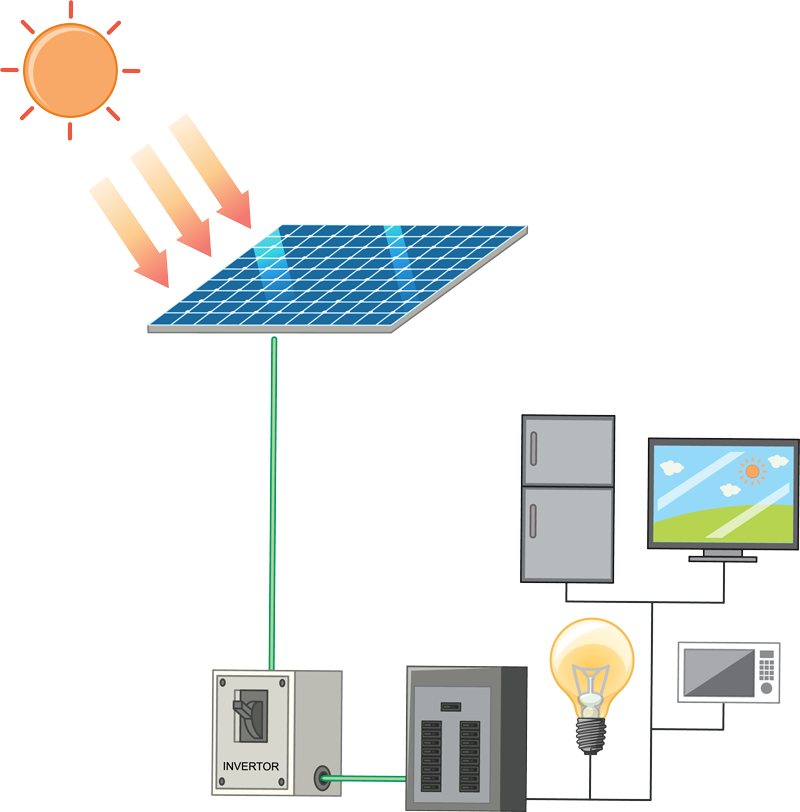
Solar panels connect to the grid through an inverter, which converts the direct current (DC) electricity generated by the panels into alternating current (AC) electricity used by homes and businesses. This connection allows excess energy to be fed back into the grid.
What warranties are offered on solar installations?
The warranties offered on solar installations typically include a product warranty covering the solar panels and inverters for 10 to 25 years, and a workmanship warranty that ensures installation quality for up to 10 years.
What are the latest trends in solar technology?
The latest trends in solar technology include advancements in solar panel efficiency, the rise of bifacial panels, and the integration of smart technology for energy management, all aimed at enhancing sustainability and reducing costs for users.
How can I find local solar installers?
Finding local solar installers is straightforward. You can search online directories, visit solar energy websites, or check local listings to find qualified professionals in your area. Additionally, asking for recommendations from friends or family can be helpful.
What should I ask my solar installer?
When preparing for a solar installation, consider asking your installer about their experience, the types of solar panels they recommend, the installation timeline, warranties offered, and how they handle maintenance and support after installation.