
Why 2025 Is the Perfect Year to Go Solar in the UK
As we move further into the 2020s, the shift towards renewable energy is not just a trend, but…

Why you can trust our content
We know that the solar industry is full of misinformation, but we only use reliable sources, including:




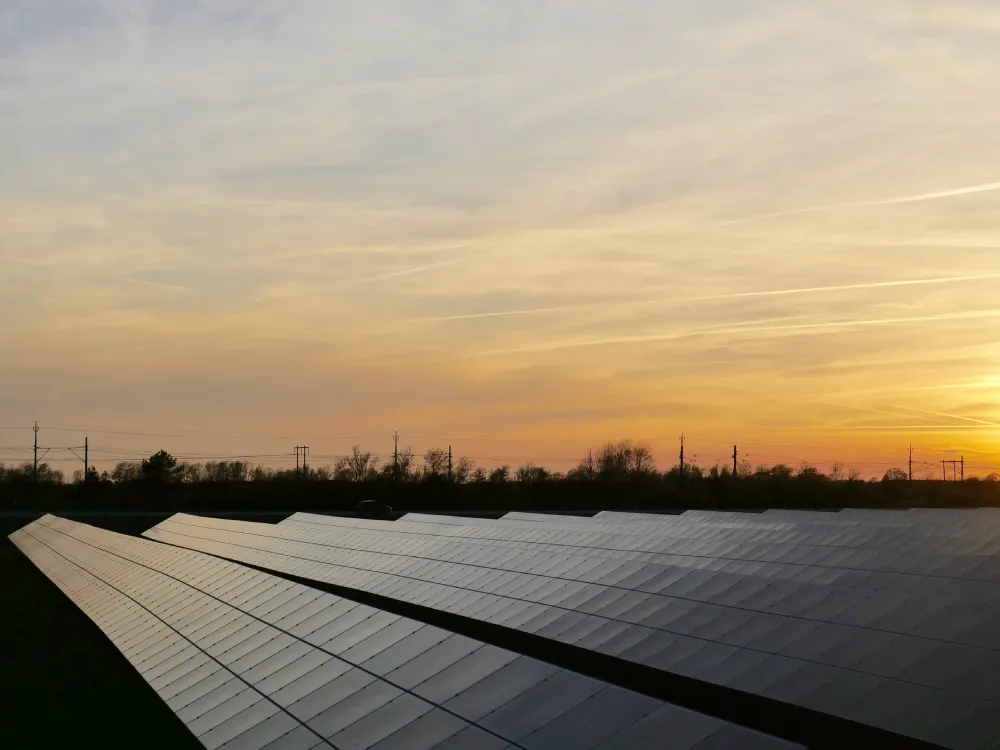
2025 Solar Incentives: Save Up to £2,850 with 0% VAT
As we move further into the 2020s, the shift towards renewable energy is not just a trend, but a necessity. With rising energy bills, growing climate concerns, and advances in green technology, 2025 is shaping up to be the ideal time for UK households and businesses to embrace solar power. Here’s why.
1. Falling Costs of Solar Technology
The price of solar panels has been steadily declining over the past decade. By 2025, improvements in efficiency and manufacturing mean that solar installations are more affordable than ever. Households can now expect a quicker return on investment, with systems often paying for themselves in under a decade.
2. Rising Energy Prices
Energy bills in the UK have surged in recent years, driven by global fuel market instability and increased demand. Going solar in 2025 allows homeowners to lock in long-term savings by generating their own electricity and reducing dependence on the grid.

What type of property do you have?

Detached House

Semi Detached House

Terraced House

Flat or Apartment
Bungalow
It just takes 2 minutes
And then you can book a free consultation
3. Government Incentives and Support
The UK government continues to support the transition to renewable energy. While the original Feed-in Tariff (FiT) scheme ended in 2019, new initiatives such as the Smart Export Guarantee (SEG) mean households are paid for surplus electricity exported back to the grid. By 2025, these schemes are becoming more attractive, making solar an even smarter investment.
4. Advances in Solar + Storage
Battery storage technology has advanced significantly, allowing households to store excess energy for use during evenings and cloudy days. By 2025, solar-plus-storage systems are more cost-effective and reliable, maximising energy independence.
5. Growing Environmental Awareness
With the UK committed to achieving net zero carbon emissions by 2050, 2025 is the perfect time to contribute to this mission. Installing solar panels not only cuts carbon footprints but also aligns households and businesses with the broader green transition.
6. Boosting Property Value
Solar panels are increasingly viewed as an asset. Homebuyers are attracted to properties with built-in energy savings and lower utility bills. Installing solar in 2025 could give homes a competitive edge in the housing market.
Final Thoughts
2025 presents the perfect storm of affordability, technology, and environmental necessity for going solar in the UK. Whether you are motivated by cost savings, sustainability, or energy independence, making the switch now positions you for long-term benefits. The future of energy is renewable—and there’s no better time to join the solar revolution.
Related articles
What type of property do you have?
Detached House
Semi Detached House
Terraced House
Flat or Apartment
Bungalow
2025 Solar Incentives: Save Up to £2,850 with 0% VAT
As we move further into the 2020s, the shift towards renewable energy is not just a trend, but a necessity. With rising energy bills, growing climate concerns, and advances in green technology, 2025 is shaping up to be the ideal time for UK households and businesses to embrace solar power. Here’s why.
1. Falling Costs of Solar Technology
The price of solar panels has been steadily declining over the past decade. By 2025, improvements in efficiency and manufacturing mean that solar installations are more affordable than ever. Households can now expect a quicker return on investment, with systems often paying for themselves in under a decade.
2. Rising Energy Prices
Energy bills in the UK have surged in recent years, driven by global fuel market instability and increased demand. Going solar in 2025 allows homeowners to lock in long-term savings by generating their own electricity and reducing dependence on the grid.
What type of property do you have?
Detached House
Semi Detached House
Terraced House
Flat or Apartment
Bungalow
It just takes 2 minutes
And then you can book a free consultation
3. Government Incentives and Support
The UK government continues to support the transition to renewable energy. While the original Feed-in Tariff (FiT) scheme ended in 2019, new initiatives such as the Smart Export Guarantee (SEG) mean households are paid for surplus electricity exported back to the grid. By 2025, these schemes are becoming more attractive, making solar an even smarter investment.
4. Advances in Solar + Storage
Battery storage technology has advanced significantly, allowing households to store excess energy for use during evenings and cloudy days. By 2025, solar-plus-storage systems are more cost-effective and reliable, maximising energy independence.
5. Growing Environmental Awareness
With the UK committed to achieving net zero carbon emissions by 2050, 2025 is the perfect time to contribute to this mission. Installing solar panels not only cuts carbon footprints but also aligns households and businesses with the broader green transition.
6. Boosting Property Value
Solar panels are increasingly viewed as an asset. Homebuyers are attracted to properties with built-in energy savings and lower utility bills. Installing solar in 2025 could give homes a competitive edge in the housing market.
Final Thoughts
2025 presents the perfect storm of affordability, technology, and environmental necessity for going solar in the UK. Whether you are motivated by cost savings, sustainability, or energy independence, making the switch now positions you for long-term benefits. The future of energy is renewable—and there’s no better time to join the solar revolution.
Related articles
What type of property do you have?
Detached House
Semi Detached House
Terraced House
Flat or Apartment
Bungalow