
Solar Panels in the UK: Can They Handle Our Weather?
When people think of solar power, they often imagine sun-soaked countries like Spain, Italy, or Australia. But here…

Why you can trust our content
We know that the solar industry is full of misinformation, but we only use reliable sources, including:




How Solar Panels Work in Cloudy UK Weather
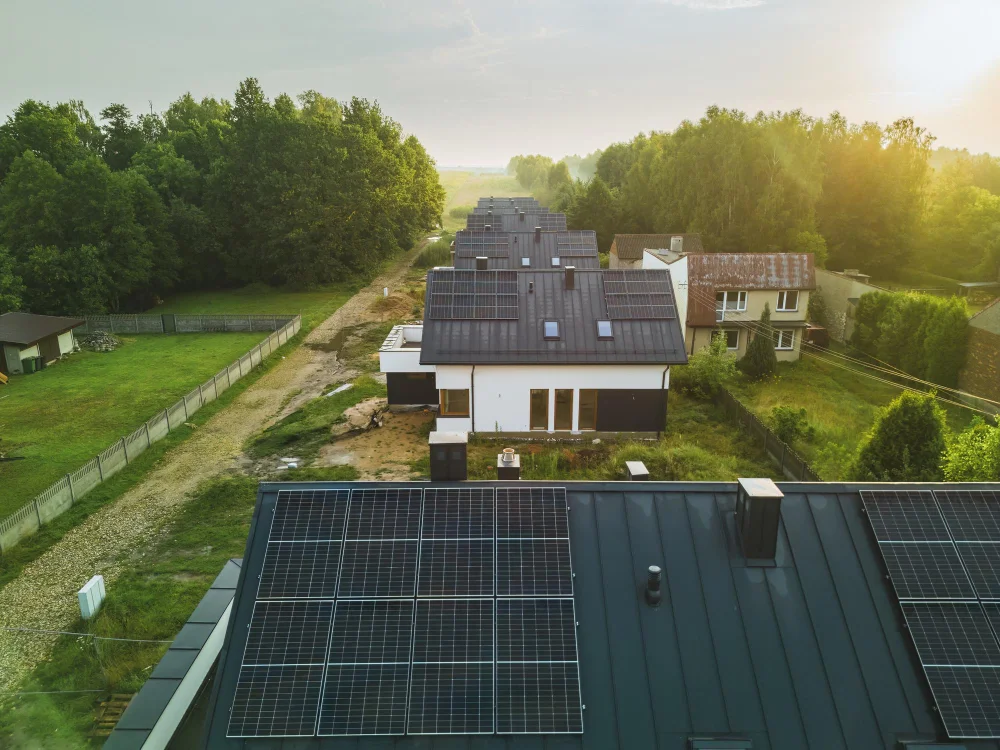
When people think of solar power, they often imagine sun-soaked countries like Spain, Italy, or Australia. But here in the UK, where clouds and rain are part of daily life, many homeowners ask the same question: are solar panels really worth it in our weather?
The short answer: yes, they are. Here’s why.
Solar Panels Don’t Need Constant Sunshine
One of the biggest misconceptions is that solar panels only work in blazing sunshine. In reality, they generate electricity from daylight, not heat. Even on cloudy or overcast days, solar panels still produce energy — just at a lower output compared to bright, clear conditions.
For example, Germany, a country with a similar climate to the UK, is one of the world leaders in solar energy adoption. That proves you don’t need endless sunshine to make solar worthwhile.
UK Weather and Solar Efficiency
While solar panels are more efficient in sunnier conditions, the UK still receives enough daylight hours throughout the year to make installations effective.
- Summer – Longer days and higher sun angles mean maximum output.
- Winter – Shorter days reduce production, but panels still generate electricity during daylight hours.
- Cooler temperatures – Believe it or not, solar panels actually perform better in cooler weather, as excessive heat can reduce efficiency.
Financial Benefits
Solar panels can significantly reduce your electricity bills, and with energy prices rising, that’s more valuable than ever. Homeowners can also benefit from the Smart Export Guarantee (SEG), where you get paid for the excess energy you send back to the grid.
Over time, the savings often outweigh the upfront cost of installation.

What type of property do you have?

Detached House

Semi Detached House

Terraced House

Flat or Apartment
Bungalow
It just takes 2 minutes
And then you can book a free consultation
Environmental Impact
Switching to solar power helps cut your carbon footprint. By generating clean energy from your own roof, you reduce reliance on fossil fuels and contribute to the UK’s net zero goals.
So, Are They Worth It in the UK?
Absolutely. While the UK may not boast Mediterranean sunshine, our long summer days and consistent daylight make solar panels a smart investment. They work year-round, cut bills, and help the planet — even under grey skies.
✅ Takeaway: Don’t let the British weather put you off. Solar panels are designed to thrive in all conditions, and they’re more than capable of handling our famously unpredictable climate.
Related articles
What type of property do you have?
Detached House
Semi Detached House
Terraced House
Flat or Apartment
Bungalow
How Solar Panels Work in Cloudy UK Weather
When people think of solar power, they often imagine sun-soaked countries like Spain, Italy, or Australia. But here in the UK, where clouds and rain are part of daily life, many homeowners ask the same question: are solar panels really worth it in our weather?
The short answer: yes, they are. Here’s why.
Solar Panels Don’t Need Constant Sunshine
One of the biggest misconceptions is that solar panels only work in blazing sunshine. In reality, they generate electricity from daylight, not heat. Even on cloudy or overcast days, solar panels still produce energy — just at a lower output compared to bright, clear conditions.
For example, Germany, a country with a similar climate to the UK, is one of the world leaders in solar energy adoption. That proves you don’t need endless sunshine to make solar worthwhile.
UK Weather and Solar Efficiency
While solar panels are more efficient in sunnier conditions, the UK still receives enough daylight hours throughout the year to make installations effective.
- Summer – Longer days and higher sun angles mean maximum output.
- Winter – Shorter days reduce production, but panels still generate electricity during daylight hours.
- Cooler temperatures – Believe it or not, solar panels actually perform better in cooler weather, as excessive heat can reduce efficiency.
Financial Benefits
Solar panels can significantly reduce your electricity bills, and with energy prices rising, that’s more valuable than ever. Homeowners can also benefit from the Smart Export Guarantee (SEG), where you get paid for the excess energy you send back to the grid.
Over time, the savings often outweigh the upfront cost of installation.
What type of property do you have?
Detached House
Semi Detached House
Terraced House
Flat or Apartment
Bungalow
It just takes 2 minutes
And then you can book a free consultation
Environmental Impact
Switching to solar power helps cut your carbon footprint. By generating clean energy from your own roof, you reduce reliance on fossil fuels and contribute to the UK’s net zero goals.
So, Are They Worth It in the UK?
Absolutely. While the UK may not boast Mediterranean sunshine, our long summer days and consistent daylight make solar panels a smart investment. They work year-round, cut bills, and help the planet — even under grey skies.
✅ Takeaway: Don’t let the British weather put you off. Solar panels are designed to thrive in all conditions, and they’re more than capable of handling our famously unpredictable climate.
Related articles
What type of property do you have?
Detached House
Semi Detached House
Terraced House
Flat or Apartment
Bungalow