
When a Boiler Upgrade Makes Sense: 7 Triggers Mansfield Homeowners Ignore
Many homeowners only think about replacing their boiler when it breaks down completely. While a sudden failure can force a decision, waiting until that point often leads to inconvenience, unexpected expense, and limited choices.

Why you can trust our content
We know that the boiler industry can be confusing, but we only use trusted sources, including:





At a glance
In reality, there are several signs that indicate a heating system may no longer be the right fit for a property. As households change and heating demands increase, an older boiler can struggle to keep up. Understanding these triggers can help homeowners in Mansfield make informed decisions before problems become disruptive.
Why Do People Delay Boiler Upgrades?
A boiler is often out of sight and out of mind. If it still produces heating and hot water, many people assume it is doing its job.
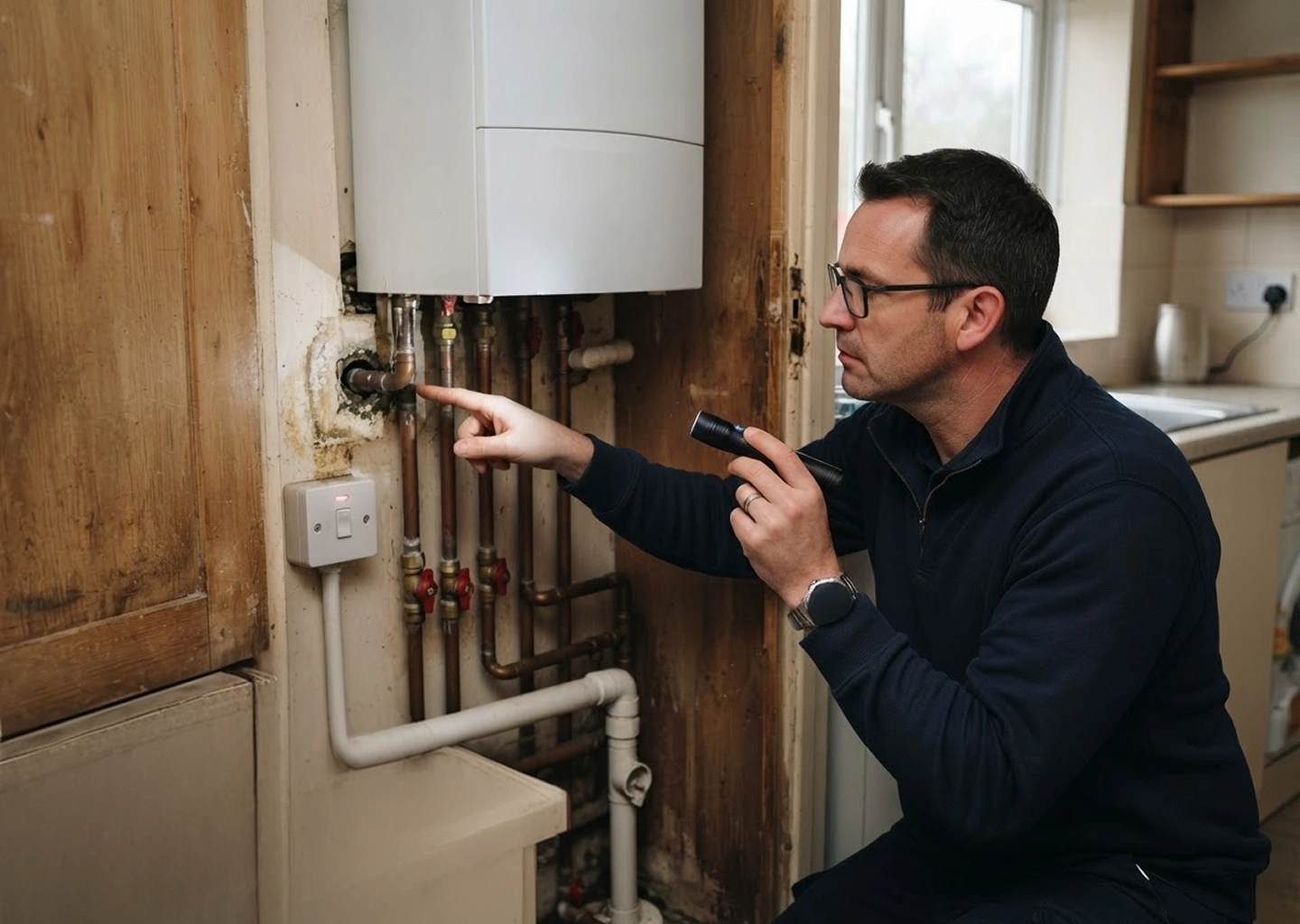
However, boilers experience wear over time. Components become less efficient, repairs become more frequent, and household requirements often change. Delaying an upgrade may result in higher running costs and reduced comfort throughout the home.
Which fuel powers your boiler?

Mains Gas

LPG

Other
It just takes 60 Seconds
And then you can book a free consultation
1. Your Boiler Is More Than 10-15 Years Old
Age alone does not mean a boiler needs replacing, but it is an important factor.
Older systems generally operate less efficiently than modern alternatives. They may also rely on parts that are becoming difficult to source.
As a result, homeowners can find themselves spending more on repairs while still dealing with an ageing system that struggles to perform efficiently.
Could Rising Energy Bills Be a Warning Sign?
Yes. If your energy usage habits have remained relatively consistent but your bills continue to rise, your boiler may be losing efficiency.
Modern boilers are designed to convert fuel into usable heat more effectively. Even a system that appears to be working normally can consume more energy than necessary.
A heating engineer can assess whether your current setup remains economical or whether an upgrade could offer long-term savings.
3. Your Household Has Grown
A heating system that worked perfectly for a couple may become inadequate when a family grows.
Common changes include:
- Additional occupants
- More frequent showers
- Increased hot water demand
- Home extensions
- Additional bathrooms
When demand rises, the existing boiler may struggle to deliver consistent performance. This can result in fluctuating water temperatures and slower heating response times.
What Happens When Your Boiler Is Constantly Being Repaired?
Occasional maintenance is normal. Repeated breakdowns are not.
If engineers are regularly replacing components, the cumulative repair costs can quickly become significant.
The decision should not be based solely on the immediate repair bill. Instead, homeowners should compare ongoing maintenance expenses against the potential long-term value of an upgrade.
Many people begin researching the boiler replacement cost once repair visits become a recurring event.
5. You Have Added Extra Bathrooms
Modern households often expect multiple bathrooms to operate comfortably at the same time.
If your home has been renovated since the boiler was originally installed, the existing system may no longer match current demand.
The following table shows how household changes can affect heating requirements:
|
Household Change |
Potential Impact on Boiler Demand |
|
Loft conversion |
Increased heating load |
|
Additional bathroom |
Higher hot water demand |
|
Larger family |
More simultaneous usage |
|
Home office addition |
More heated living space |
|
Property extension |
Greater overall capacity required |
A properly sized boiler helps ensure reliable performance across the entire property.
Is Uneven Heating a Sign of an Undersized System?
Sometimes.
Cold rooms, slow warm-up times, and inconsistent temperatures can indicate that the system is struggling.
While these symptoms may also relate to radiators, controls, or pipework, they can reveal that the boiler is no longer appropriate for the home’s current size.
A professional assessment can identify whether the issue lies with the boiler itself or elsewhere within the heating system.
7. You Are Planning Long-Term Home Improvements
Many homeowners focus on kitchens, bathrooms, and extensions while overlooking the heating system that supports the entire property.
If you’re planning significant improvements, it can make sense to evaluate your boiler at the same time.
Benefits can include:
- Improved energy efficiency
- Better compatibility with modern controls
- Reduced risk of future disruption
- Heating capacity aligned with new living spaces
- Greater reliability
Coordinating heating upgrades alongside renovation work can often minimise disruption.
A Typical Mansfield Scenario
Consider a family living in a three-bedroom property in Mansfield.
The home originally had one bathroom and two occupants. Over time, the family grew, a loft conversion was completed, and an additional shower room was installed.
The existing boiler continued operating but struggled during busy mornings. Hot water performance became inconsistent, and annual repair bills started increasing.
Following a professional assessment, the homeowners discovered that their system was no longer suited to their property’s demands. Upgrading allowed them to improve comfort while reducing concerns about reliability.
Situations like this are increasingly common as homes evolve over time.
How Should Homeowners Assess Their Options?
Rather than focusing solely on age, homeowners should consider the bigger picture.
Questions worth asking include:
- Has household demand increased?
- Are repairs becoming more frequent?
- Have energy bills risen noticeably?
- Has the property been extended?
- Are comfort levels declining?
The answers often provide a clearer indication of whether an upgrade deserves consideration.
When comparing options, it is important to understand that the boiler replacement cost involves more than simply purchasing a new appliance. Installation requirements, system design, controls, and property size can all influence the overall investment.
Frequently Asked Questions
Making the Right Decision for Your Home
A boiler upgrade is not simply about replacing old equipment. It is about ensuring your heating system continues to meet the demands of your household both now and in the future.
Whether your family has grown, your property has changed, or your system is becoming less reliable, recognising these triggers early can help you make a more informed decision. Understanding the true boiler replacement cost involves looking beyond the appliance itself and considering long-term performance, efficiency, and comfort.
For expert guidance tailored to your property, speak to KJ Group. Our team can help assess your current system and provide practical recommendations based on your home’s specific requirements.
Related articles
Which fuel powers your boiler?
Mains Gas
LPG
Other
At a glance
In reality, there are several signs that indicate a heating system may no longer be the right fit for a property. As households change and heating demands increase, an older boiler can struggle to keep up. Understanding these triggers can help homeowners in Mansfield make informed decisions before problems become disruptive.
Why Do People Delay Boiler Upgrades?
A boiler is often out of sight and out of mind. If it still produces heating and hot water, many people assume it is doing its job.
However, boilers experience wear over time. Components become less efficient, repairs become more frequent, and household requirements often change. Delaying an upgrade may result in higher running costs and reduced comfort throughout the home.
Which fuel powers your boiler?
Mains Gas
LPG
Other
It just takes 60 Seconds
And then you can book a free consultation
1. Your Boiler Is More Than 10-15 Years Old
Age alone does not mean a boiler needs replacing, but it is an important factor.
Older systems generally operate less efficiently than modern alternatives. They may also rely on parts that are becoming difficult to source.
As a result, homeowners can find themselves spending more on repairs while still dealing with an ageing system that struggles to perform efficiently.
Could Rising Energy Bills Be a Warning Sign?
Yes. If your energy usage habits have remained relatively consistent but your bills continue to rise, your boiler may be losing efficiency.
Modern boilers are designed to convert fuel into usable heat more effectively. Even a system that appears to be working normally can consume more energy than necessary.
A heating engineer can assess whether your current setup remains economical or whether an upgrade could offer long-term savings.
3. Your Household Has Grown
A heating system that worked perfectly for a couple may become inadequate when a family grows.
Common changes include:
- Additional occupants
- More frequent showers
- Increased hot water demand
- Home extensions
- Additional bathrooms
When demand rises, the existing boiler may struggle to deliver consistent performance. This can result in fluctuating water temperatures and slower heating response times.
What Happens When Your Boiler Is Constantly Being Repaired?
Occasional maintenance is normal. Repeated breakdowns are not.
If engineers are regularly replacing components, the cumulative repair costs can quickly become significant.
The decision should not be based solely on the immediate repair bill. Instead, homeowners should compare ongoing maintenance expenses against the potential long-term value of an upgrade.
Many people begin researching the boiler replacement cost once repair visits become a recurring event.
5. You Have Added Extra Bathrooms
Modern households often expect multiple bathrooms to operate comfortably at the same time.
If your home has been renovated since the boiler was originally installed, the existing system may no longer match current demand.
The following table shows how household changes can affect heating requirements:
|
Household Change |
Potential Impact on Boiler Demand |
|
Loft conversion |
Increased heating load |
|
Additional bathroom |
Higher hot water demand |
|
Larger family |
More simultaneous usage |
|
Home office addition |
More heated living space |
|
Property extension |
Greater overall capacity required |
A properly sized boiler helps ensure reliable performance across the entire property.
Is Uneven Heating a Sign of an Undersized System?
Sometimes.
Cold rooms, slow warm-up times, and inconsistent temperatures can indicate that the system is struggling.
While these symptoms may also relate to radiators, controls, or pipework, they can reveal that the boiler is no longer appropriate for the home’s current size.
A professional assessment can identify whether the issue lies with the boiler itself or elsewhere within the heating system.
7. You Are Planning Long-Term Home Improvements
Many homeowners focus on kitchens, bathrooms, and extensions while overlooking the heating system that supports the entire property.
If you’re planning significant improvements, it can make sense to evaluate your boiler at the same time.
Benefits can include:
- Improved energy efficiency
- Better compatibility with modern controls
- Reduced risk of future disruption
- Heating capacity aligned with new living spaces
- Greater reliability
Coordinating heating upgrades alongside renovation work can often minimise disruption.
A Typical Mansfield Scenario
Consider a family living in a three-bedroom property in Mansfield.
The home originally had one bathroom and two occupants. Over time, the family grew, a loft conversion was completed, and an additional shower room was installed.
The existing boiler continued operating but struggled during busy mornings. Hot water performance became inconsistent, and annual repair bills started increasing.
Following a professional assessment, the homeowners discovered that their system was no longer suited to their property’s demands. Upgrading allowed them to improve comfort while reducing concerns about reliability.
Situations like this are increasingly common as homes evolve over time.
How Should Homeowners Assess Their Options?
Rather than focusing solely on age, homeowners should consider the bigger picture.
Questions worth asking include:
- Has household demand increased?
- Are repairs becoming more frequent?
- Have energy bills risen noticeably?
- Has the property been extended?
- Are comfort levels declining?
The answers often provide a clearer indication of whether an upgrade deserves consideration.
When comparing options, it is important to understand that the boiler replacement cost involves more than simply purchasing a new appliance. Installation requirements, system design, controls, and property size can all influence the overall investment.
Frequently Asked Questions
Making the Right Decision for Your Home
A boiler upgrade is not simply about replacing old equipment. It is about ensuring your heating system continues to meet the demands of your household both now and in the future.
Whether your family has grown, your property has changed, or your system is becoming less reliable, recognising these triggers early can help you make a more informed decision. Understanding the true boiler replacement cost involves looking beyond the appliance itself and considering long-term performance, efficiency, and comfort.
For expert guidance tailored to your property, speak to KJ Group. Our team can help assess your current system and provide practical recommendations based on your home’s specific requirements.
Related articles
Which fuel powers your boiler?
Mains Gas
LPG
Other