
New Combi Boiler Mansfield: What Happens if Suspect Materials Are Found Before Installation?
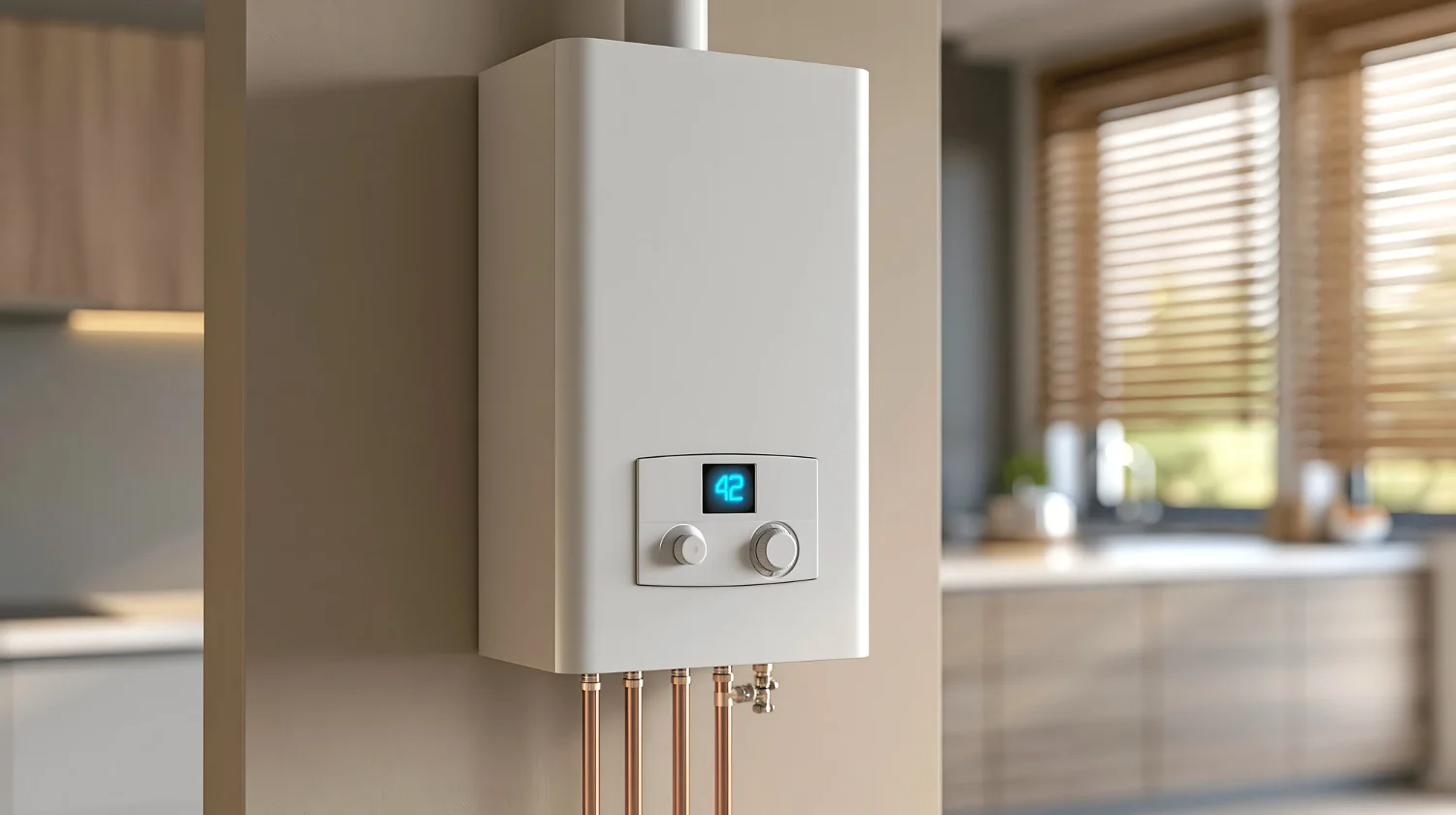
Choosing a new combi boiler is usually about comfort, reliability, hot water performance and energy efficiency. But in older properties, there may be another important step before installation begins: checking whether any suspect materials near the existing boiler could be disturbed during the work.

Why you can trust our content
We know that the boiler industry can be confusing, but we only use trusted sources, including:





At a glance
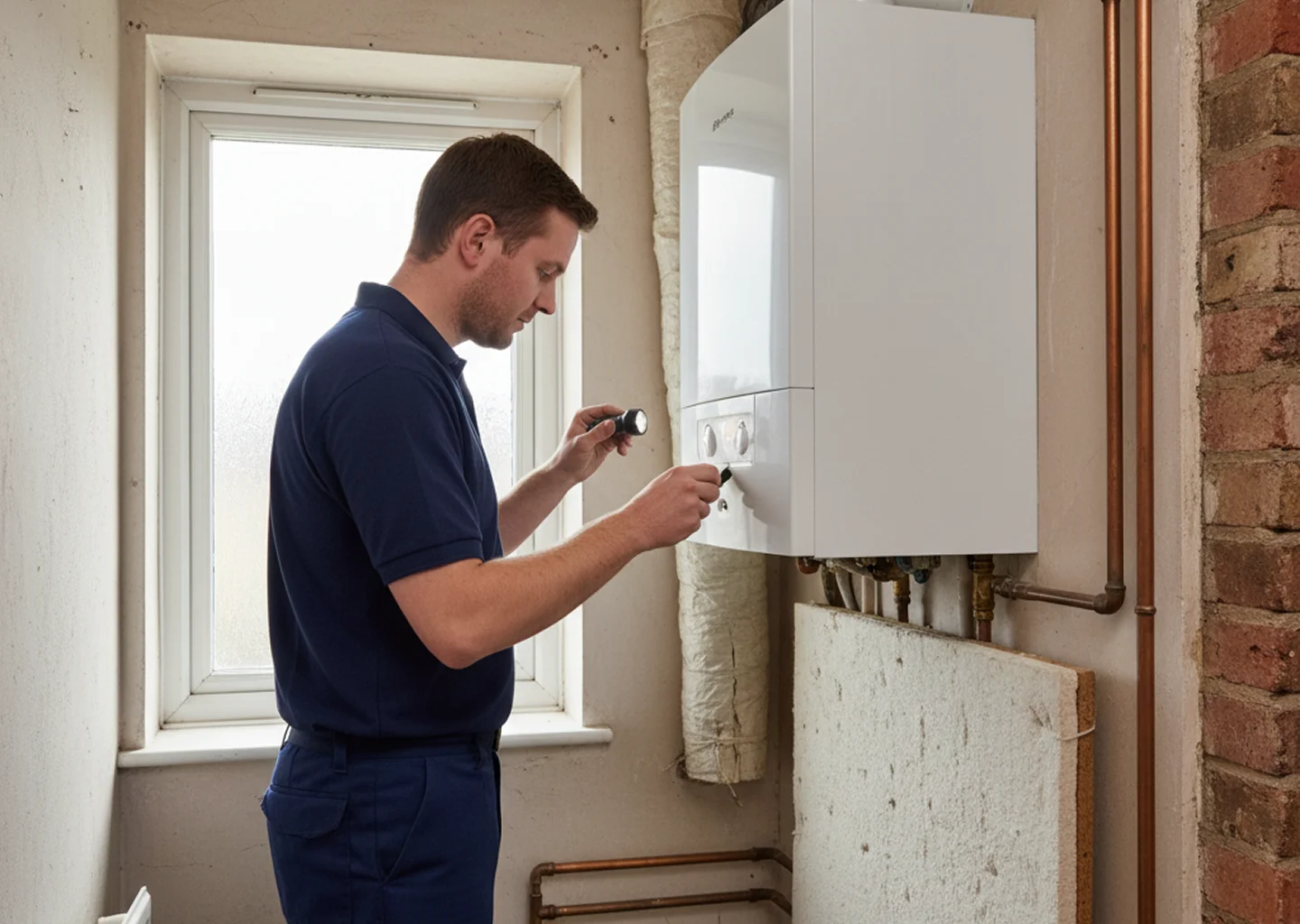
This can include old boards, boxed-in pipework, insulation, ceiling materials, flue surrounds or cupboard panels. In some cases, these materials may raise asbestos concerns. If that happens, the installer should not guess or carry on regardless. The area needs to be assessed properly before removal, drilling or cutting starts.
For homeowners planning a new combi boiler Mansfield, this guide explains what happens if suspect materials are found before installation and how the process can still move forward safely.
If your boiler is in an older or enclosed area, speak to KJ Group for careful advice before booking the work.
What Are Suspect Materials Around a Boiler?
Suspect materials are building materials that may need checking before they are disturbed. They are not automatically dangerous, and they are not always asbestos, but they should be treated carefully until confirmed.
Around older boilers, suspect materials may include:
- Old pipe insulation
- Boxing around pipework
- Insulating boards
- Panels inside cupboards
- Textured ceiling coatings
- Materials around older flues
- Back boiler surrounds
- Damaged boards or crumbly material near the appliance
The key issue is disturbance. If the material can stay untouched and in good condition, the risk may be different from a situation where it must be drilled, removed or cut to fit the new boiler.
Why Can Suspect Materials Affect Combi Boiler Installation?
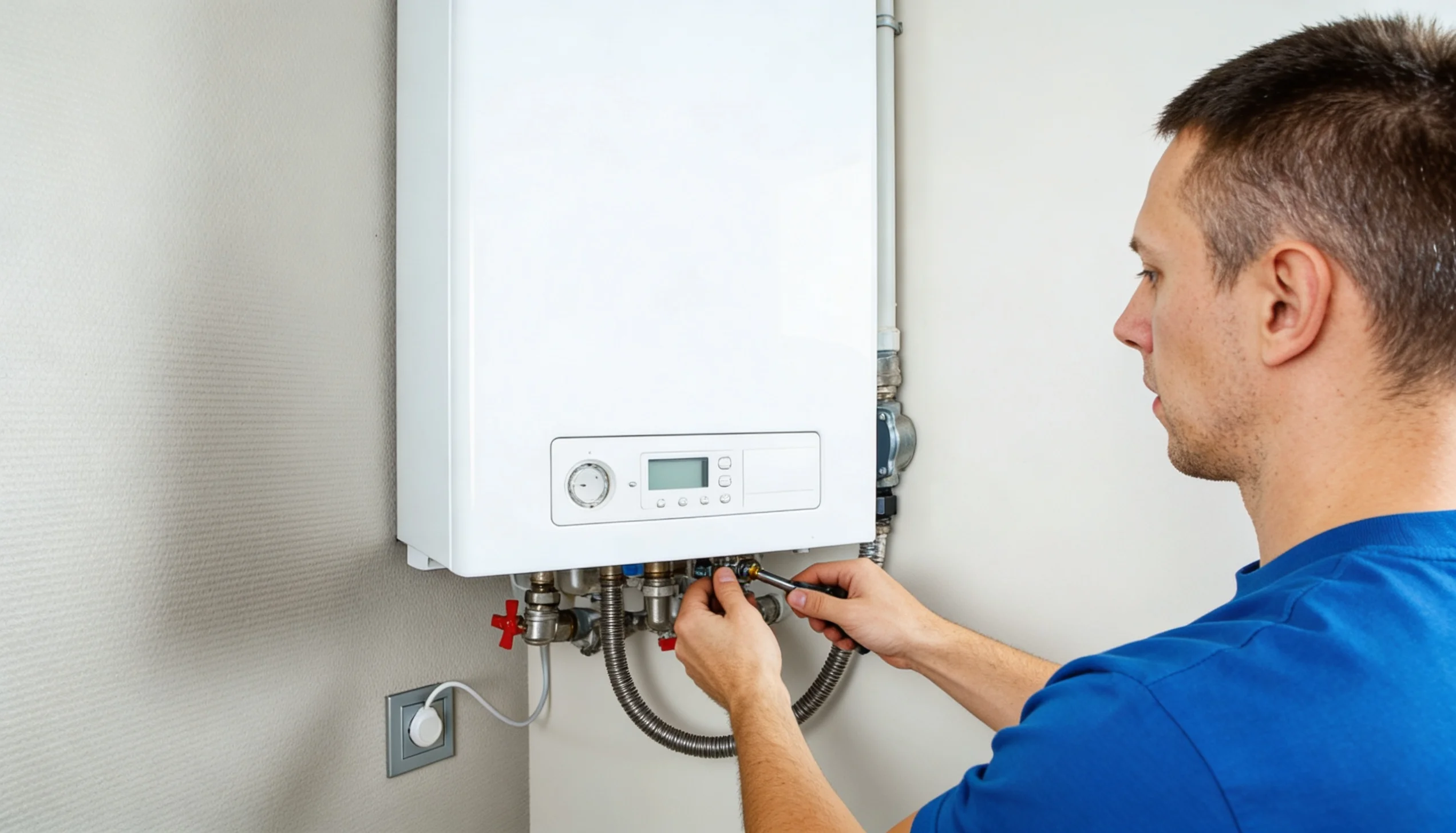
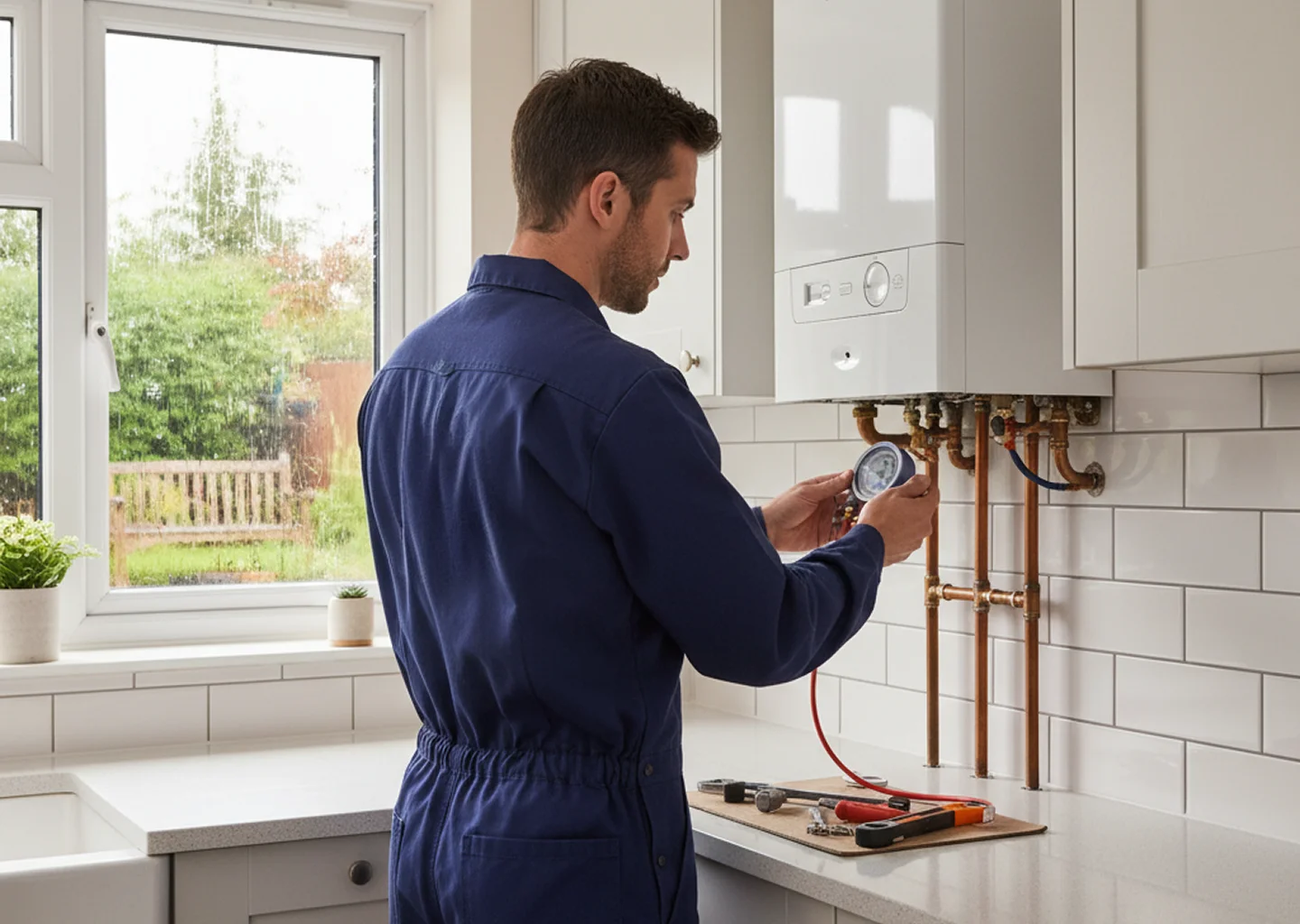
A combi boiler replacement often involves removing the old appliance, connecting pipework, fitting a new flue, checking gas supply, adjusting controls and commissioning the system. If suspect materials are close to these working areas, the installer may need to pause before proceeding.
This matters because some older materials can release harmful fibres if disturbed. Asbestos cannot be confirmed by sight alone, so it is safer to arrange a proper assessment when there is doubt.
For combi boiler installation Mansfield, the safest approach is to identify possible risks before installation day. That way, any specialist checks can be completed before the old boiler is removed.
What Should Happen if Suspect Materials Are Found?
If suspect materials are found before installation, the installer should stop and avoid disturbing them. The homeowner should then be advised to arrange an appropriate asbestos assessment or specialist inspection where needed.
The usual process is:
| Step | What Happens | Why It Matters |
| 1. Pause work | The material is left undisturbed | Reduces risk of exposure |
| 2. Assess the area | A competent specialist checks or samples the material | Confirms whether asbestos is present |
| 3. Plan the next step | Removal, management or avoidance is agreed | Keeps the project controlled |
| 4. Update the quote | Any extra work or delay is explained | Prevents cost confusion |
| 5. Resume installation | Boiler work continues once safe | Protects everyone involved |
This process may feel inconvenient, but it is far better than discovering a problem halfway through the job.
Can the Installer Carry On if the Material Is Not Touched?
Sometimes, yes. If the suspect material does not need to be disturbed and the installer can work safely around it, the installation may still be possible. However, this should be decided carefully.
The installer needs to consider whether the material is close to the boiler, flue, pipework, fixings or access route. If the new combi requires drilling or removal near the material, specialist advice may still be needed.
A responsible installer should explain what can be done safely and what needs checking first.
Does Suspected Asbestos Mean You Cannot Have a Combi Boiler?
No, suspected asbestos does not automatically mean you cannot have a combi boiler. It simply means the job needs to be planned properly before the boiler work continues.
In many cases, once the material has been checked, the installation can go ahead. The plan may involve specialist removal, avoiding certain materials, changing the flue route or adjusting the installation method.
The important thing is not to rush. A new combi boiler Mansfield upgrade should improve the home, not create avoidable safety risks.
Who Checks the Suspect Material?
Suspect asbestos-containing materials should be checked by a competent asbestos professional. A heating engineer may notice the concern, but asbestos testing and removal are specialist areas.
A boiler installer should not scrape, break, cut or remove suspect materials to “have a look”. If the material needs sampling, that should be done properly.
Depending on the situation, the homeowner may need:
- An asbestos survey
- A sample test
- Specialist removal
- Encapsulation advice
- Written confirmation of safe access
- A revised installation plan
If you are unsure whether your boiler area needs specialist checks, contact KJ Group and ask for a careful pre-installation survey.
Which fuel powers your boiler?

Mains Gas
LPG

Other
It just takes 60 Seconds
And then you can book a free consultation
Can Suspect Materials Change the Boiler Quote?
Yes, suspect materials can change the quote if they affect access, removal, flue work or installation method. The boiler itself may be straightforward, but the surrounding area may add extra steps.
Possible cost changes may include:
- Asbestos testing or surveying
- Specialist removal
- Extra labour due to access restrictions
- New flue route planning
- Pipework adjustments
- Making good after specialist work
- Delayed installation date
- Updated controls or relocation work
A good quote should be clear about what is included and what is excluded. If specialist asbestos work is needed, it will usually sit outside the standard boiler installation price.
What If the Old Boiler Is in a Cupboard?
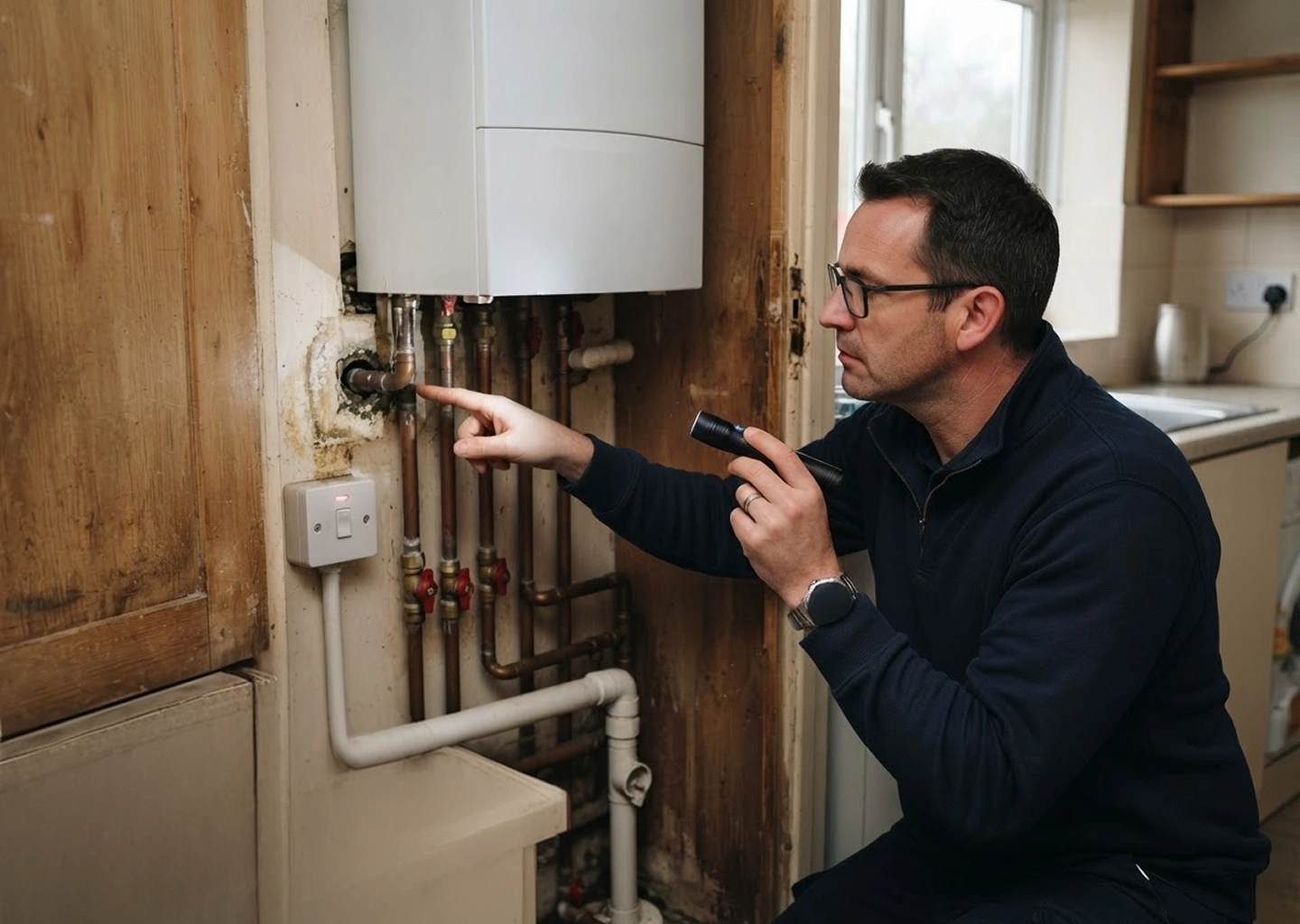
Boilers in older cupboards need careful checking because the installer may need to remove panels, access pipework or drill fixings into nearby surfaces. Cupboards can also hide old boards, boxing or lagging.
Before a combi is fitted, the installer should check whether there is enough space for safe installation, servicing and ventilation requirements. They should also consider whether surrounding materials need testing before being disturbed.
If the cupboard is too tight, damaged or lined with suspect material, the installation plan may need to change.
What If the Flue Route Needs Changing?
Flue work is a common reason surrounding materials may need extra checks. A new combi boiler must have a safe and compliant flue route, and older flue arrangements may not be suitable for the replacement appliance.
If a new flue hole needs drilling, or if old material around the existing flue must be removed, the installer needs to know what that material is.
This is especially important in older properties, where the area around a previous flue may include boards, coatings or other materials that need assessment before disturbance.
Example Scenario: Suspect Board Above an Old Boiler
A Mansfield homeowner wants to replace an ageing boiler with a modern combi. The boiler sits inside a cupboard, with old boxing around the pipework and a board above the appliance.
During the survey, the installer notices the board may need to be disturbed when the old boiler is removed. Instead of continuing, they advise the homeowner to arrange an asbestos sample.
The sample confirms the next steps. Once the area is made safe, the installation can be rebooked with a clearer plan. The homeowner avoids rushed decisions, and the installer can complete the work safely.
Can the Boiler Be Relocated Instead?
Relocation may be possible, but it is not always the best solution. Moving a combi boiler can add cost because pipework, flue routing, condensate drainage, gas supply and controls may all need changing.
Also, even if the new boiler is moved elsewhere, the old boiler still needs to be removed. If suspect materials surround the existing appliance, they may still need checking before removal.
Relocation should only be recommended if it genuinely solves the problem or improves the installation, not simply as a quick way around uncertainty.
What Should Homeowners Tell the Installer?
Homeowners should share anything they know about the property before the survey. This helps the installer plan safely.
Useful information includes:
- Approximate property age
- Previous asbestos reports
- Any known asbestos removal work
- Whether the boiler area has been altered
- Whether pipework is boxed in
- Whether the boiler is in an old cupboard
- Any damaged boards or insulation nearby
- Any previous contractor concerns
For combi boiler installation Mansfield, these details can make the survey more accurate and reduce the chance of delay.
How Can You Reduce the Chance of Installation-Day Delays?
The best way to avoid delays is to raise concerns early and allow time for checks before installation day.
You can help by:
- Clearing safe access to the boiler area
- Not removing old boxing yourself
- Showing the installer any property records
- Asking whether the flue route will change
- Asking whether nearby materials need checking
- Booking any specialist survey before installation
- Confirming what the quote includes
This gives the installer a clearer picture and helps the project move in the right order.
Should You Still Replace the Boiler?
If the current boiler is unreliable, inefficient or no longer suitable, replacement may still be the right decision. Suspect materials do not usually stop a replacement altogether. They simply mean the preparation needs to be handled correctly.
A modern combi can be a good option for the right property, especially where hot water demand, water pressure and heating requirements suit that type of boiler.
For a new combi boiler Mansfield, the decision should be based on both boiler suitability and safe access to the existing installation area.
Final Advice Before Booking Installation
If suspect materials are found near your old boiler, do not panic and do not try to remove them yourself. The safest route is to pause, get the right assessment and let the installation plan be updated properly.
A good installer will explain what they can do, what needs specialist input and when the boiler work can continue.
Speak to KJ Group to arrange a careful survey and practical advice before your combi boiler replacement.
Frequently Asked Questions
Finding suspect materials before installation does not mean your boiler upgrade cannot happen. It means the work needs to be planned in the right order, with safety checks completed before anything is disturbed.
KJ Group can help Mansfield homeowners approach combi boiler upgrades carefully, with clear advice, practical surveys and a safe installation plan from the start.
Related articles
Which fuel powers your boiler?
Mains Gas
LPG
Other
At a glance
This can include old boards, boxed-in pipework, insulation, ceiling materials, flue surrounds or cupboard panels. In some cases, these materials may raise asbestos concerns. If that happens, the installer should not guess or carry on regardless. The area needs to be assessed properly before removal, drilling or cutting starts.
For homeowners planning a new combi boiler Mansfield, this guide explains what happens if suspect materials are found before installation and how the process can still move forward safely.
If your boiler is in an older or enclosed area, speak to KJ Group for careful advice before booking the work.
What Are Suspect Materials Around a Boiler?
Suspect materials are building materials that may need checking before they are disturbed. They are not automatically dangerous, and they are not always asbestos, but they should be treated carefully until confirmed.
Around older boilers, suspect materials may include:
- Old pipe insulation
- Boxing around pipework
- Insulating boards
- Panels inside cupboards
- Textured ceiling coatings
- Materials around older flues
- Back boiler surrounds
- Damaged boards or crumbly material near the appliance
The key issue is disturbance. If the material can stay untouched and in good condition, the risk may be different from a situation where it must be drilled, removed or cut to fit the new boiler.
Why Can Suspect Materials Affect Combi Boiler Installation?
A combi boiler replacement often involves removing the old appliance, connecting pipework, fitting a new flue, checking gas supply, adjusting controls and commissioning the system. If suspect materials are close to these working areas, the installer may need to pause before proceeding.
This matters because some older materials can release harmful fibres if disturbed. Asbestos cannot be confirmed by sight alone, so it is safer to arrange a proper assessment when there is doubt.
For combi boiler installation Mansfield, the safest approach is to identify possible risks before installation day. That way, any specialist checks can be completed before the old boiler is removed.
What Should Happen if Suspect Materials Are Found?
If suspect materials are found before installation, the installer should stop and avoid disturbing them. The homeowner should then be advised to arrange an appropriate asbestos assessment or specialist inspection where needed.
The usual process is:
| Step | What Happens | Why It Matters |
| 1. Pause work | The material is left undisturbed | Reduces risk of exposure |
| 2. Assess the area | A competent specialist checks or samples the material | Confirms whether asbestos is present |
| 3. Plan the next step | Removal, management or avoidance is agreed | Keeps the project controlled |
| 4. Update the quote | Any extra work or delay is explained | Prevents cost confusion |
| 5. Resume installation | Boiler work continues once safe | Protects everyone involved |
This process may feel inconvenient, but it is far better than discovering a problem halfway through the job.
Can the Installer Carry On if the Material Is Not Touched?
Sometimes, yes. If the suspect material does not need to be disturbed and the installer can work safely around it, the installation may still be possible. However, this should be decided carefully.
The installer needs to consider whether the material is close to the boiler, flue, pipework, fixings or access route. If the new combi requires drilling or removal near the material, specialist advice may still be needed.
A responsible installer should explain what can be done safely and what needs checking first.
Does Suspected Asbestos Mean You Cannot Have a Combi Boiler?
No, suspected asbestos does not automatically mean you cannot have a combi boiler. It simply means the job needs to be planned properly before the boiler work continues.
In many cases, once the material has been checked, the installation can go ahead. The plan may involve specialist removal, avoiding certain materials, changing the flue route or adjusting the installation method.
The important thing is not to rush. A new combi boiler Mansfield upgrade should improve the home, not create avoidable safety risks.
Who Checks the Suspect Material?
Suspect asbestos-containing materials should be checked by a competent asbestos professional. A heating engineer may notice the concern, but asbestos testing and removal are specialist areas.
A boiler installer should not scrape, break, cut or remove suspect materials to “have a look”. If the material needs sampling, that should be done properly.
Depending on the situation, the homeowner may need:
- An asbestos survey
- A sample test
- Specialist removal
- Encapsulation advice
- Written confirmation of safe access
- A revised installation plan
If you are unsure whether your boiler area needs specialist checks, contact KJ Group and ask for a careful pre-installation survey.
Which fuel powers your boiler?
Mains Gas
LPG
Other
It just takes 60 Seconds
And then you can book a free consultation
Can Suspect Materials Change the Boiler Quote?
Yes, suspect materials can change the quote if they affect access, removal, flue work or installation method. The boiler itself may be straightforward, but the surrounding area may add extra steps.
Possible cost changes may include:
- Asbestos testing or surveying
- Specialist removal
- Extra labour due to access restrictions
- New flue route planning
- Pipework adjustments
- Making good after specialist work
- Delayed installation date
- Updated controls or relocation work
A good quote should be clear about what is included and what is excluded. If specialist asbestos work is needed, it will usually sit outside the standard boiler installation price.
What If the Old Boiler Is in a Cupboard?
Boilers in older cupboards need careful checking because the installer may need to remove panels, access pipework or drill fixings into nearby surfaces. Cupboards can also hide old boards, boxing or lagging.
Before a combi is fitted, the installer should check whether there is enough space for safe installation, servicing and ventilation requirements. They should also consider whether surrounding materials need testing before being disturbed.
If the cupboard is too tight, damaged or lined with suspect material, the installation plan may need to change.
What If the Flue Route Needs Changing?
Flue work is a common reason surrounding materials may need extra checks. A new combi boiler must have a safe and compliant flue route, and older flue arrangements may not be suitable for the replacement appliance.
If a new flue hole needs drilling, or if old material around the existing flue must be removed, the installer needs to know what that material is.
This is especially important in older properties, where the area around a previous flue may include boards, coatings or other materials that need assessment before disturbance.
Example Scenario: Suspect Board Above an Old Boiler
A Mansfield homeowner wants to replace an ageing boiler with a modern combi. The boiler sits inside a cupboard, with old boxing around the pipework and a board above the appliance.
During the survey, the installer notices the board may need to be disturbed when the old boiler is removed. Instead of continuing, they advise the homeowner to arrange an asbestos sample.
The sample confirms the next steps. Once the area is made safe, the installation can be rebooked with a clearer plan. The homeowner avoids rushed decisions, and the installer can complete the work safely.
Can the Boiler Be Relocated Instead?
Relocation may be possible, but it is not always the best solution. Moving a combi boiler can add cost because pipework, flue routing, condensate drainage, gas supply and controls may all need changing.
Also, even if the new boiler is moved elsewhere, the old boiler still needs to be removed. If suspect materials surround the existing appliance, they may still need checking before removal.
Relocation should only be recommended if it genuinely solves the problem or improves the installation, not simply as a quick way around uncertainty.
What Should Homeowners Tell the Installer?
Homeowners should share anything they know about the property before the survey. This helps the installer plan safely.
Useful information includes:
- Approximate property age
- Previous asbestos reports
- Any known asbestos removal work
- Whether the boiler area has been altered
- Whether pipework is boxed in
- Whether the boiler is in an old cupboard
- Any damaged boards or insulation nearby
- Any previous contractor concerns
For combi boiler installation Mansfield, these details can make the survey more accurate and reduce the chance of delay.
How Can You Reduce the Chance of Installation-Day Delays?
The best way to avoid delays is to raise concerns early and allow time for checks before installation day.
You can help by:
- Clearing safe access to the boiler area
- Not removing old boxing yourself
- Showing the installer any property records
- Asking whether the flue route will change
- Asking whether nearby materials need checking
- Booking any specialist survey before installation
- Confirming what the quote includes
This gives the installer a clearer picture and helps the project move in the right order.
Should You Still Replace the Boiler?
If the current boiler is unreliable, inefficient or no longer suitable, replacement may still be the right decision. Suspect materials do not usually stop a replacement altogether. They simply mean the preparation needs to be handled correctly.
A modern combi can be a good option for the right property, especially where hot water demand, water pressure and heating requirements suit that type of boiler.
For a new combi boiler Mansfield, the decision should be based on both boiler suitability and safe access to the existing installation area.
Final Advice Before Booking Installation
If suspect materials are found near your old boiler, do not panic and do not try to remove them yourself. The safest route is to pause, get the right assessment and let the installation plan be updated properly.
A good installer will explain what they can do, what needs specialist input and when the boiler work can continue.
Speak to KJ Group to arrange a careful survey and practical advice before your combi boiler replacement.
Frequently Asked Questions
Finding suspect materials before installation does not mean your boiler upgrade cannot happen. It means the work needs to be planned in the right order, with safety checks completed before anything is disturbed.
KJ Group can help Mansfield homeowners approach combi boiler upgrades carefully, with clear advice, practical surveys and a safe installation plan from the start.
Related articles
Which fuel powers your boiler?
Mains Gas
LPG
Other