
Gas Boiler Installation Mansfield: Why Older Boiler Areas Need Careful Checks Before Work Starts
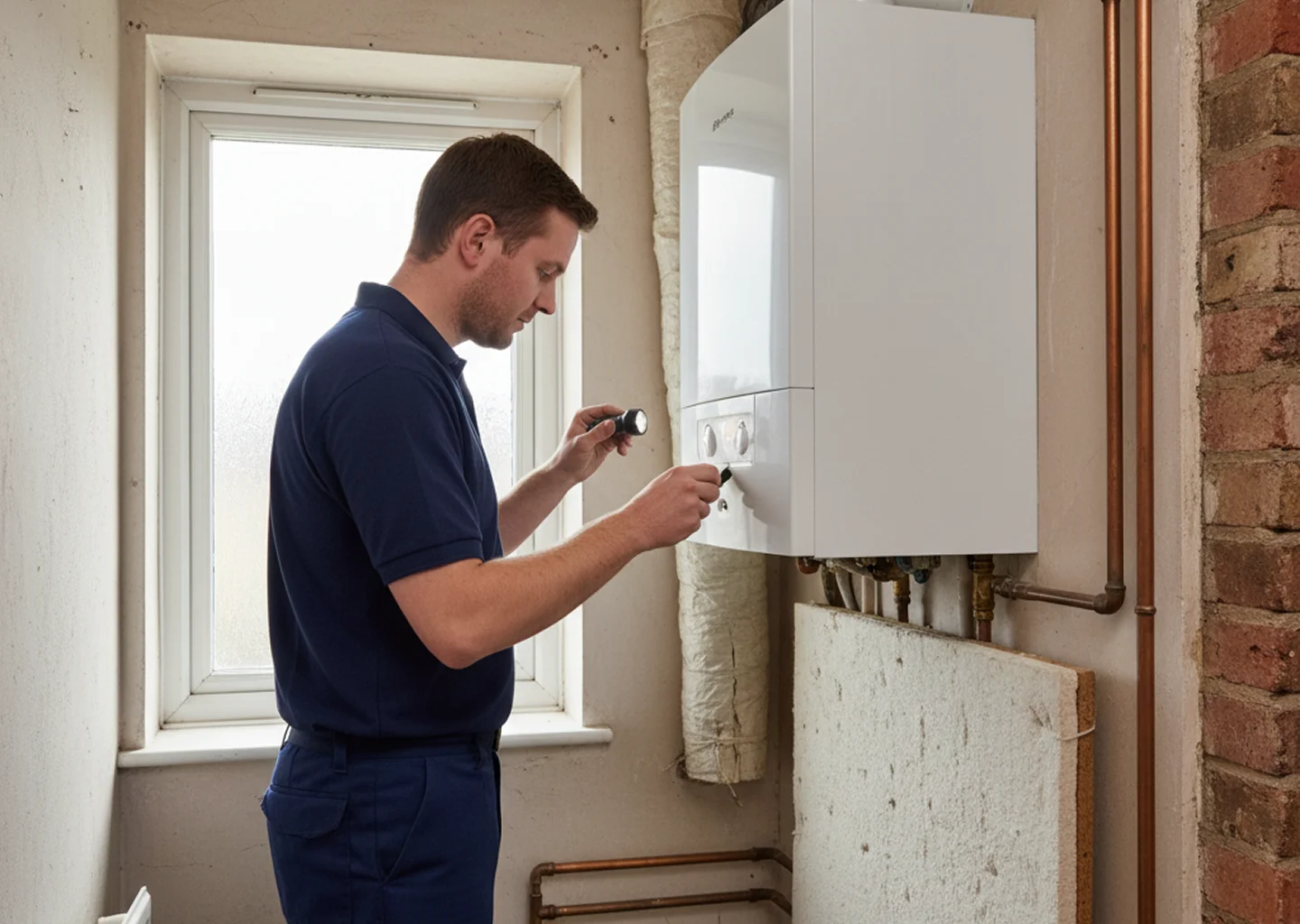
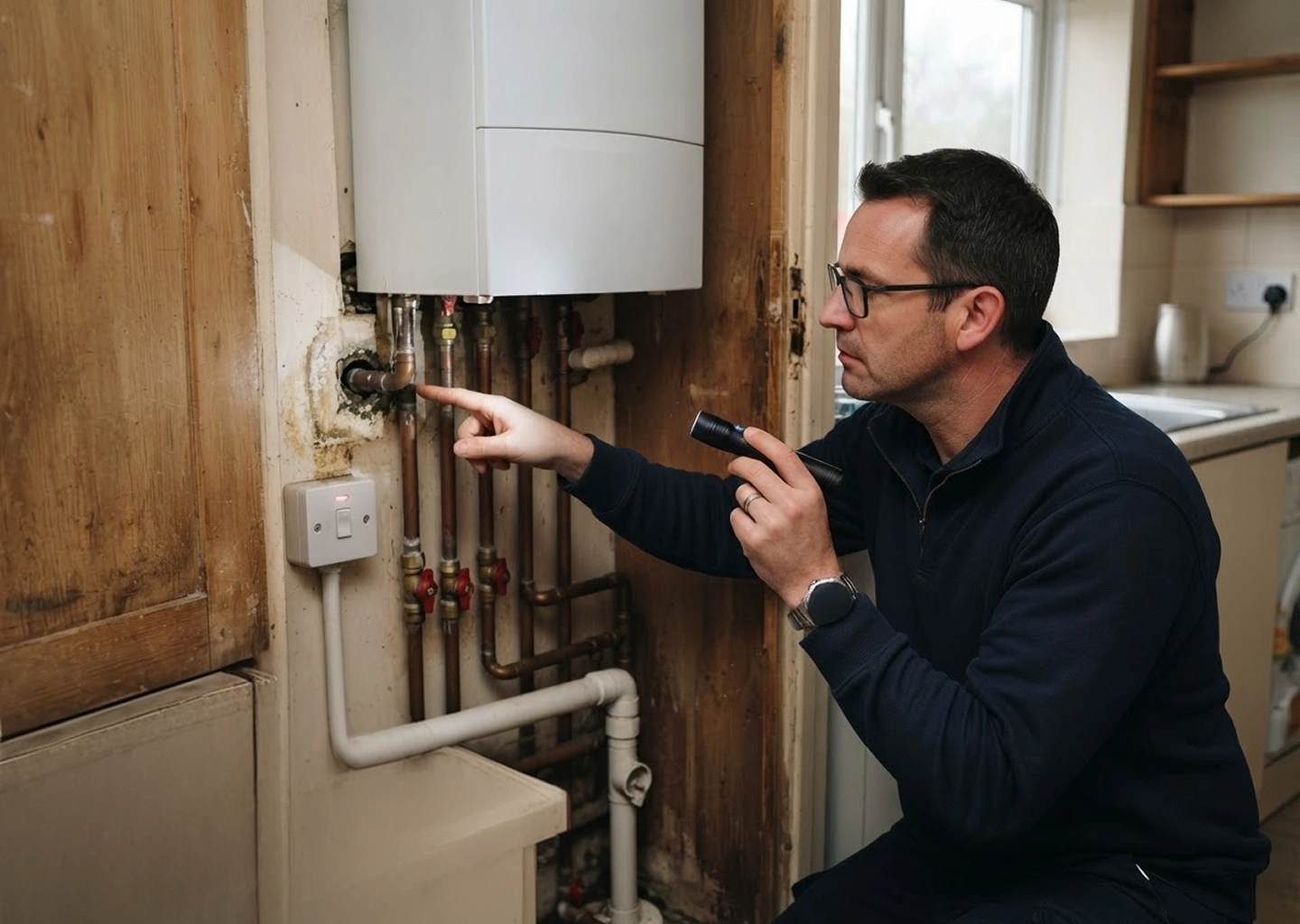
Older boiler areas can look simple from the outside. The appliance may sit in a cupboard, utility room, kitchen corner or airing space, and the job may appear to be a straightforward replacement. But before any removal or installation work begins, the surrounding area should be checked carefully.

Why you can trust our content
We know that the boiler industry can be confusing, but we only use trusted sources, including:





At a glance
In older homes, materials around the boiler, flue, pipework or cupboard may need extra attention. Some may be damaged, difficult to access or, in certain cases, suspected asbestos-containing materials. If these areas are disturbed without proper checks, the job can become unsafe, delayed or more expensive.
For homeowners planning gas boiler installation Mansfield, careful pre-installation checks help make sure the work is safe, clear and properly scoped.
If your boiler is in an older or awkward area, speak to KJ Group before booking installation.
Why Do Older Boiler Areas Need Careful Checks?
Older boiler areas need careful checks because the installation may involve drilling, removing fixings, adjusting pipework, changing flue routes or accessing hidden spaces. If the surrounding materials are unknown, the installer needs to know whether they can be safely disturbed.
This is particularly important in properties built or renovated before 2000, when asbestos-containing materials were more commonly used in UK buildings. Not every older material contains asbestos, but some should be treated with caution until checked.
A careful survey protects the homeowner, the installer and the property. It also helps avoid finding major issues halfway through the job.
What Areas Should Be Checked Before Work Starts?
The installer should review the boiler area and any surfaces that may be affected by the job. This is not only about the boiler itself. It is about the space around it.
Areas that may need checking include:
- Pipe boxing
- Cupboard panels
- Flue surrounds
- Ceiling areas above the boiler
- Old insulation
- Airing cupboard boards
- Back boiler areas
- Wall panels
- Damaged or crumbly materials
- Tight access spaces
If any of these areas need to be drilled, cut, removed or disturbed, the installer should assess whether specialist advice is needed first.
Can Asbestos Be Found Near Gas Boilers?
Yes, asbestos-containing materials can sometimes be found near older boiler areas, especially where heat resistance, insulation or fire protection was needed. However, asbestos cannot be confirmed by sight alone.
Possible locations include old pipe lagging, insulating boards, textured coatings, service cupboards, flue surrounds and boxed-in pipework.
If asbestos is suspected, the material should not be disturbed. The right approach is to pause, arrange competent assessment and plan the next step based on the result.
A responsible gas boiler installation company should understand when to stop and recommend specialist checks rather than trying to work around uncertainty.
Boiler Area Risk Checks at a Glance
| Area to Check | Why It Matters | What Should Happen |
| Pipe boxing | May hide older boards or insulation | Do not remove until assessed |
| Flue route | May need drilling or adjustment | Check surrounding materials first |
| Cupboard panels | Older panels may need specialist checks | Avoid cutting without confirmation |
| Ceiling coatings | May be disturbed by access work | Check before drilling |
| Boiler fixings | New brackets may need wall drilling | Confirm wall surface is safe |
| Old pipe lagging | Higher-risk material if asbestos is present | Do not touch or unwrap |
These checks do not mean every home has a problem. They simply help the installer plan safely.
What Should Happen if Something Looks Suspicious?
If something looks suspicious, the installer should stop before disturbing it. The homeowner should then arrange a suitable asbestos assessment or specialist inspection if needed.
The process may involve:
- Taking a sample safely
- Reviewing the material condition
- Confirming whether asbestos is present
- Recommending removal, encapsulation or management
- Providing confirmation before boiler work continues
The installer should then update the plan, quote or timescale if the specialist findings affect the job.
Why Is the Flue Route So Important?
The flue safely removes combustion gases from the boiler. When a new gas boiler is installed, the flue must meet current requirements. This may mean replacing the old flue, adjusting the route or drilling a new opening.
In older properties, flue work can bring the installer close to old wall materials, ceiling materials, boards or previous flue surrounds. If these materials are unknown, they may need checking before work starts.
For gas boiler installation Mansfield, this is one of the key reasons a survey should happen before installation day.
Can the Boiler Be Installed Without Disturbing the Area?
Sometimes, yes. If the installer can remove and fit the boiler without disturbing suspect materials, the work may be able to continue. However, this should be judged carefully.
If the material is damaged, close to fixings, around the flue or blocking access to pipework, it may still need checking. The installer must be confident that the work can be completed safely.
If you are unsure whether your boiler area is safe to work around, contact KJ Group and ask for a careful pre-installation survey.
Which fuel powers your boiler?

Mains Gas

LPG

Other
It just takes 60 Seconds
And then you can book a free consultation
What If the Boiler Is Boxed In?
Boxed-in boilers and pipework can make surveys more complicated. The boxing may hide pipes, wiring, old insulation or boards that need checking before removal.
Homeowners should avoid removing old boxing themselves if there is any chance it could contain asbestos. Even if it looks like ordinary board, it is better to check before disturbing it.
The installer may be able to inspect visible areas and advise whether further assessment is needed. If the boxing must be removed for the installation, the safest route is to confirm what it is first.
What Other Pre-Installation Checks Matter?
Asbestos awareness is important, but it is not the only check before a gas boiler installation. The installer should also consider whether the whole setup is suitable for the new appliance.
Other checks include:
- Gas pipe sizing
- Boiler location
- Flue route
- Condensate drainage
- Heating controls
- Water pressure
- Hot water demand
- System cleanliness
- Radiator condition
- Electrical supply
- Access for future servicing
These checks help make sure the installation is safe, compliant and practical.
Example Scenario: Older Boiler in a Utility Space
A homeowner in Mansfield wants to replace an old gas boiler in a utility space. The boiler is surrounded by older pipe boxing, and the flue exits through a wall that may need alteration.
During the survey, the installer identifies that the boxing may need assessment before removal. Rather than starting the job and discovering a problem midway, the homeowner arranges a specialist check.
Once the area is confirmed safe, the installation is booked with a clear plan. The work can then be completed with fewer surprises and less risk.
Can Careful Checks Increase the Cost?
They can, but only where extra work is needed. A straightforward installation may not change much. However, if asbestos assessment, specialist removal, flue changes, access work or pipework upgrades are needed, the quote may increase.
This is why the quote should explain assumptions and exclusions clearly. It should show what is included in the boiler installation and what specialist work, if any, sits outside the standard scope.
A transparent gas boiler installation company should explain this before the homeowner commits.
How Can Homeowners Prepare for the Survey?
Before the survey, gather any property information that may help the installer. You do not need to know every detail, but anything you can share may reduce uncertainty.
Helpful information includes:
- Property age
- Previous asbestos reports
- Old renovation records
- Known asbestos removal history
- Boiler age
- Any past flue work
- Areas that have been boxed in
- Any damaged materials near the boiler
Also try to clear safe access to the boiler area. Do not remove old panels or boxing yourself if they look suspicious or the property is older.
What Should Be Included in the Quote?
A clear quote should explain both the core installation and any conditions around safe access.
It should include:
- Boiler make and model
- Labour
- Flue work
- Pipework changes
- Controls
- Filter
- System cleaning recommendation
- Commissioning
- Warranty
- Exclusions
- Any specialist checks needed before work starts
- What happens if suspect materials are found
This helps prevent confusion and protects the homeowner from unclear extras.
Why Is It Worth Planning Early?
Planning early gives time to deal with specialist checks before the old boiler fails. If a boiler breaks down in winter and suspect materials are found, the household may face delays at the worst possible time.
Early planning allows the installer to assess the area, explain the quote and arrange any additional checks before installation becomes urgent.
For gas boiler installation Mansfield, this is especially useful in older homes where access and surrounding materials may be less straightforward.
When Should You Contact an Installer?
You should contact an installer when your boiler starts becoming unreliable, inefficient or expensive to maintain. If the property is older, it is better to arrange a survey before the situation becomes urgent.
A good installer will explain what needs checking, what can wait and what must be handled by a specialist.
Speak to KJ Group to arrange a careful survey and clear advice before replacing your gas boiler.
Frequently Asked Questions
Older boiler areas need careful checks because safe installation depends on more than the appliance itself. Surrounding materials, flue routes, pipe boxing and access can all affect how the work should be planned.
KJ Group can help Mansfield homeowners approach gas boiler installation with clear advice and sensible risk checks. With the right survey, the job can be planned safely, professionally and with fewer surprises.
Related articles
Which fuel powers your boiler?
Mains Gas
LPG
Other
At a glance
In older homes, materials around the boiler, flue, pipework or cupboard may need extra attention. Some may be damaged, difficult to access or, in certain cases, suspected asbestos-containing materials. If these areas are disturbed without proper checks, the job can become unsafe, delayed or more expensive.
For homeowners planning gas boiler installation Mansfield, careful pre-installation checks help make sure the work is safe, clear and properly scoped.
If your boiler is in an older or awkward area, speak to KJ Group before booking installation.
Why Do Older Boiler Areas Need Careful Checks?
Older boiler areas need careful checks because the installation may involve drilling, removing fixings, adjusting pipework, changing flue routes or accessing hidden spaces. If the surrounding materials are unknown, the installer needs to know whether they can be safely disturbed.
This is particularly important in properties built or renovated before 2000, when asbestos-containing materials were more commonly used in UK buildings. Not every older material contains asbestos, but some should be treated with caution until checked.
A careful survey protects the homeowner, the installer and the property. It also helps avoid finding major issues halfway through the job.
What Areas Should Be Checked Before Work Starts?
The installer should review the boiler area and any surfaces that may be affected by the job. This is not only about the boiler itself. It is about the space around it.
Areas that may need checking include:
- Pipe boxing
- Cupboard panels
- Flue surrounds
- Ceiling areas above the boiler
- Old insulation
- Airing cupboard boards
- Back boiler areas
- Wall panels
- Damaged or crumbly materials
- Tight access spaces
If any of these areas need to be drilled, cut, removed or disturbed, the installer should assess whether specialist advice is needed first.
Can Asbestos Be Found Near Gas Boilers?
Yes, asbestos-containing materials can sometimes be found near older boiler areas, especially where heat resistance, insulation or fire protection was needed. However, asbestos cannot be confirmed by sight alone.
Possible locations include old pipe lagging, insulating boards, textured coatings, service cupboards, flue surrounds and boxed-in pipework.
If asbestos is suspected, the material should not be disturbed. The right approach is to pause, arrange competent assessment and plan the next step based on the result.
A responsible gas boiler installation company should understand when to stop and recommend specialist checks rather than trying to work around uncertainty.
Boiler Area Risk Checks at a Glance
| Area to Check | Why It Matters | What Should Happen |
| Pipe boxing | May hide older boards or insulation | Do not remove until assessed |
| Flue route | May need drilling or adjustment | Check surrounding materials first |
| Cupboard panels | Older panels may need specialist checks | Avoid cutting without confirmation |
| Ceiling coatings | May be disturbed by access work | Check before drilling |
| Boiler fixings | New brackets may need wall drilling | Confirm wall surface is safe |
| Old pipe lagging | Higher-risk material if asbestos is present | Do not touch or unwrap |
These checks do not mean every home has a problem. They simply help the installer plan safely.
What Should Happen if Something Looks Suspicious?
If something looks suspicious, the installer should stop before disturbing it. The homeowner should then arrange a suitable asbestos assessment or specialist inspection if needed.
The process may involve:
- Taking a sample safely
- Reviewing the material condition
- Confirming whether asbestos is present
- Recommending removal, encapsulation or management
- Providing confirmation before boiler work continues
The installer should then update the plan, quote or timescale if the specialist findings affect the job.
Why Is the Flue Route So Important?
The flue safely removes combustion gases from the boiler. When a new gas boiler is installed, the flue must meet current requirements. This may mean replacing the old flue, adjusting the route or drilling a new opening.
In older properties, flue work can bring the installer close to old wall materials, ceiling materials, boards or previous flue surrounds. If these materials are unknown, they may need checking before work starts.
For gas boiler installation Mansfield, this is one of the key reasons a survey should happen before installation day.
Can the Boiler Be Installed Without Disturbing the Area?
Sometimes, yes. If the installer can remove and fit the boiler without disturbing suspect materials, the work may be able to continue. However, this should be judged carefully.
If the material is damaged, close to fixings, around the flue or blocking access to pipework, it may still need checking. The installer must be confident that the work can be completed safely.
If you are unsure whether your boiler area is safe to work around, contact KJ Group and ask for a careful pre-installation survey.
Which fuel powers your boiler?
Mains Gas
LPG
Other
It just takes 60 Seconds
And then you can book a free consultation
What If the Boiler Is Boxed In?
Boxed-in boilers and pipework can make surveys more complicated. The boxing may hide pipes, wiring, old insulation or boards that need checking before removal.
Homeowners should avoid removing old boxing themselves if there is any chance it could contain asbestos. Even if it looks like ordinary board, it is better to check before disturbing it.
The installer may be able to inspect visible areas and advise whether further assessment is needed. If the boxing must be removed for the installation, the safest route is to confirm what it is first.
What Other Pre-Installation Checks Matter?
Asbestos awareness is important, but it is not the only check before a gas boiler installation. The installer should also consider whether the whole setup is suitable for the new appliance.
Other checks include:
- Gas pipe sizing
- Boiler location
- Flue route
- Condensate drainage
- Heating controls
- Water pressure
- Hot water demand
- System cleanliness
- Radiator condition
- Electrical supply
- Access for future servicing
These checks help make sure the installation is safe, compliant and practical.
Example Scenario: Older Boiler in a Utility Space
A homeowner in Mansfield wants to replace an old gas boiler in a utility space. The boiler is surrounded by older pipe boxing, and the flue exits through a wall that may need alteration.
During the survey, the installer identifies that the boxing may need assessment before removal. Rather than starting the job and discovering a problem midway, the homeowner arranges a specialist check.
Once the area is confirmed safe, the installation is booked with a clear plan. The work can then be completed with fewer surprises and less risk.
Can Careful Checks Increase the Cost?
They can, but only where extra work is needed. A straightforward installation may not change much. However, if asbestos assessment, specialist removal, flue changes, access work or pipework upgrades are needed, the quote may increase.
This is why the quote should explain assumptions and exclusions clearly. It should show what is included in the boiler installation and what specialist work, if any, sits outside the standard scope.
A transparent gas boiler installation company should explain this before the homeowner commits.
How Can Homeowners Prepare for the Survey?
Before the survey, gather any property information that may help the installer. You do not need to know every detail, but anything you can share may reduce uncertainty.
Helpful information includes:
- Property age
- Previous asbestos reports
- Old renovation records
- Known asbestos removal history
- Boiler age
- Any past flue work
- Areas that have been boxed in
- Any damaged materials near the boiler
Also try to clear safe access to the boiler area. Do not remove old panels or boxing yourself if they look suspicious or the property is older.
What Should Be Included in the Quote?
A clear quote should explain both the core installation and any conditions around safe access.
It should include:
- Boiler make and model
- Labour
- Flue work
- Pipework changes
- Controls
- Filter
- System cleaning recommendation
- Commissioning
- Warranty
- Exclusions
- Any specialist checks needed before work starts
- What happens if suspect materials are found
This helps prevent confusion and protects the homeowner from unclear extras.
Why Is It Worth Planning Early?
Planning early gives time to deal with specialist checks before the old boiler fails. If a boiler breaks down in winter and suspect materials are found, the household may face delays at the worst possible time.
Early planning allows the installer to assess the area, explain the quote and arrange any additional checks before installation becomes urgent.
For gas boiler installation Mansfield, this is especially useful in older homes where access and surrounding materials may be less straightforward.
When Should You Contact an Installer?
You should contact an installer when your boiler starts becoming unreliable, inefficient or expensive to maintain. If the property is older, it is better to arrange a survey before the situation becomes urgent.
A good installer will explain what needs checking, what can wait and what must be handled by a specialist.
Speak to KJ Group to arrange a careful survey and clear advice before replacing your gas boiler.
Frequently Asked Questions
Older boiler areas need careful checks because safe installation depends on more than the appliance itself. Surrounding materials, flue routes, pipe boxing and access can all affect how the work should be planned.
KJ Group can help Mansfield homeowners approach gas boiler installation with clear advice and sensible risk checks. With the right survey, the job can be planned safely, professionally and with fewer surprises.
Related articles
Which fuel powers your boiler?
Mains Gas
LPG
Other