
Choosing Boiler Installation Companies for Older Properties: What Should Be Checked Before Removal?
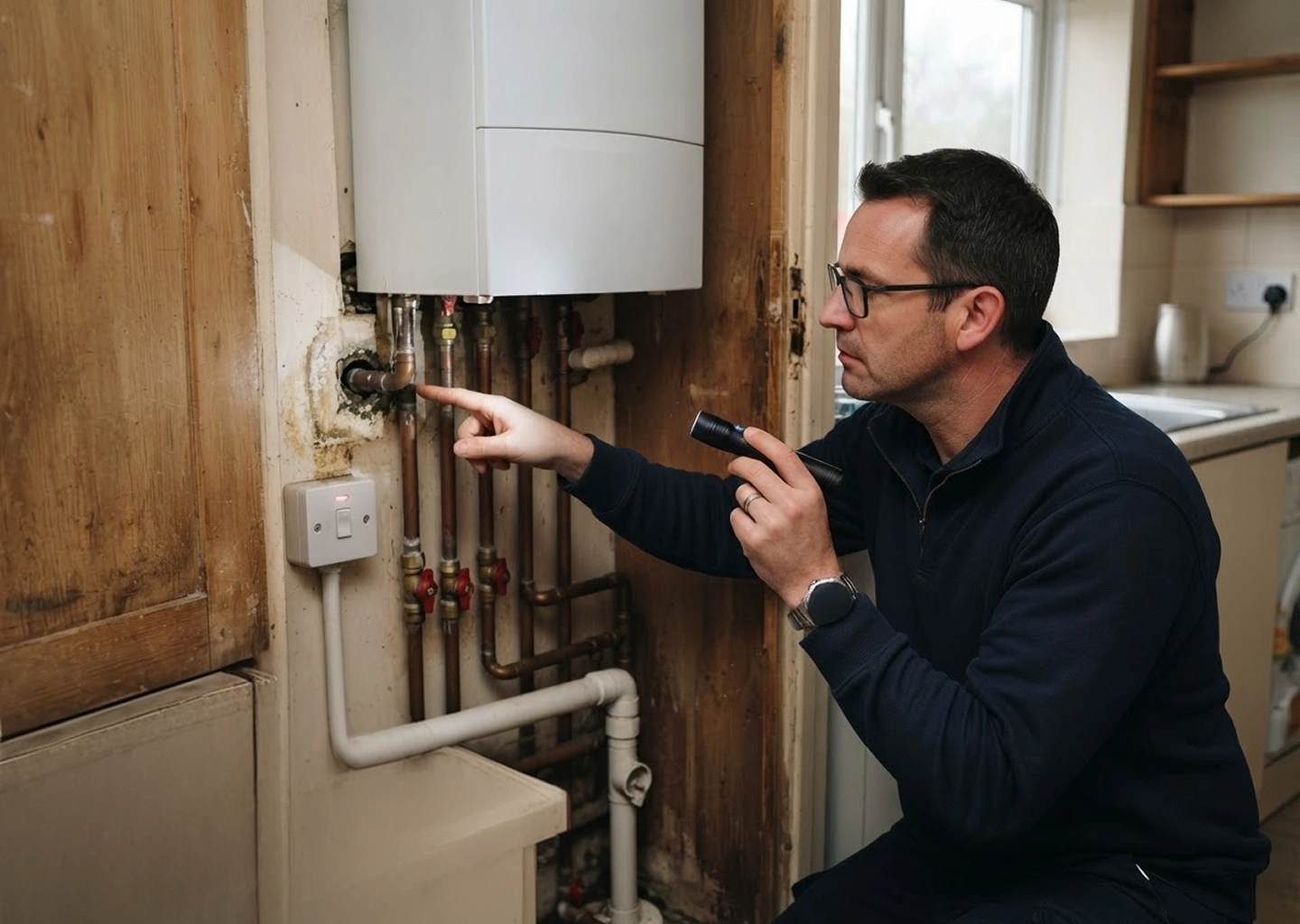
Choosing a boiler installer for an older property needs a little more care than choosing one for a newer, straightforward home. The boiler may be tucked inside an old cupboard, surrounded by boxed-in pipework, connected to an older flue route or fixed close to materials that need checking before they are disturbed.

Why you can trust our content
We know that the boiler industry can be confusing, but we only use trusted sources, including:





At a glance
The actual boiler may be only part of the job. Before the old appliance is removed, the installer should understand the surrounding area, access, gas pipework, flue route, controls and any possible specialist risks.
If you are comparing the best boiler installation companies, the right choice is the one that explains the full job clearly, not just the one that gives the fastest price.
If your property is older or the boiler area looks awkward, speak to KJ Group for practical survey advice.
Why Do Older Properties Need a More Careful Boiler Survey?
Older properties often have heating systems that have been changed over time. Pipework may have been boxed in, boilers may have been relocated, flues may have been adapted and cupboards may have been altered around the appliance.
This can make boiler removal less predictable. The installer may need to check whether anything around the boiler must be disturbed and whether the new boiler can be fitted safely in the same position.
A careful survey helps identify:
- Access issues
- Flue route concerns
- Gas pipe suitability
- Old controls
- Pipe boxing
- Possible asbestos-containing materials
- System cleanliness
- Space for servicing
- Any making-good requirements
These checks help prevent rushed decisions once the old boiler has already been removed.
What Should Be Checked Before the Old Boiler Is Removed?
Before removal, the installer should check both the boiler and the area around it. This helps confirm whether the work can begin safely.
Important checks include:
- Is the boiler accessible?
- Will nearby panels or boxing need removing?
- Is the flue route changing?
- Is the wall or ceiling material suitable for drilling?
- Are there any suspect materials?
- Is the gas pipe correctly sized?
- Is the condensate route suitable?
- Are heating controls being reused?
- Is the system water clean enough?
- Is there enough space for future servicing?
When comparing boiler installation companies, ask whether these checks are included before the final quote is confirmed.
Can Asbestos Concerns Affect Boiler Removal?
Yes, asbestos concerns can affect boiler removal if suspect materials are near the boiler, pipework or flue. Asbestos was used in some older UK building materials, especially where heat resistance or insulation was useful.
This does not mean every older boiler area contains asbestos. It means that unknown materials should be treated carefully if they may be disturbed.
If asbestos is suspected, the installer should not cut, drill, remove or break the material. A competent asbestos professional should assess it before the boiler work continues.
Installer Comparison Table for Older Properties
| What to Compare | Why It Matters | What Good Looks Like |
| Survey detail | Older homes can hide extra work | Full check of boiler, flue, access and surroundings |
| Risk awareness | Suspect materials may need specialist input | Installer pauses and advises correctly |
| Quote clarity | Avoids hidden extras | Clear inclusions, exclusions and assumptions |
| Flue planning | New boiler must meet current standards | Route checked before installation |
| System protection | Older systems may contain sludge | Filter and cleaning advice included |
| Handover | Homeowner needs clear guidance | Controls, warranty and servicing explained |
A clear, careful survey is often a better sign than a quick price.
Should the Installer Check for Suspect Materials?
The installer should look for visible signs that materials around the boiler may need specialist assessment. They are not there to diagnose asbestos by sight, but they should know when not to disturb something.
Suspect areas may include:
- Pipe boxing
- Old boards
- Flue surrounds
- Ceiling coatings
- Cupboard panels
- Pipe insulation
- Back boiler surrounds
The best boiler installation companies will be honest about what they can and cannot confirm. They should recommend specialist checks where needed rather than taking risks.
How Important Is the Flue Route?
The flue route is extremely important because it safely removes combustion gases from the boiler. A new boiler may need a new flue or changes to the existing route.
In older properties, flue work may involve walls, ceilings, roof spaces or previous openings. If these areas include unknown materials, they may need checking before drilling or alteration.
A proper survey should confirm:
- Where the flue currently exits
- Whether the route meets current standards
- Whether a new opening is needed
- Whether surrounding materials need checking
- Whether external access is required
- Whether plume management is needed
If you are unsure whether your flue route is straightforward, contact KJ Group and ask for a pre-installation survey before choosing your boiler.
Which fuel powers your boiler?

Mains Gas

LPG

Other
It just takes 60 Seconds
And then you can book a free consultation
Is the Cheapest Quote the Best Choice?
Not always. A cheaper quote may be suitable if the job is simple and the scope is clear. But in older properties, a low quote can sometimes leave out important checks.
For example, one quote may only include a basic boiler swap. Another may include flue assessment, system protection, control review and notes about specialist checks if suspect materials are found.
The better quote is the one that clearly explains what is included and what might change. The final price should be judged alongside the quality of the survey and the level of detail.
What Should a Quote Include?
A good quote should be written clearly and should show what the homeowner is paying for. It should also flag anything that sits outside the installer’s normal scope.
It should include:
- Boiler make and model
- Warranty length
- Labour
- Old boiler removal
- Flue work
- Pipework changes
- Heating controls
- Magnetic filter
- System cleaning recommendation
- Commissioning
- Handover
- Specialist exclusions
- Any conditions before work starts
This helps you compare quotes properly and avoid misunderstandings later.
Example Scenario: Older Mansfield Property With Boxed-In Pipework
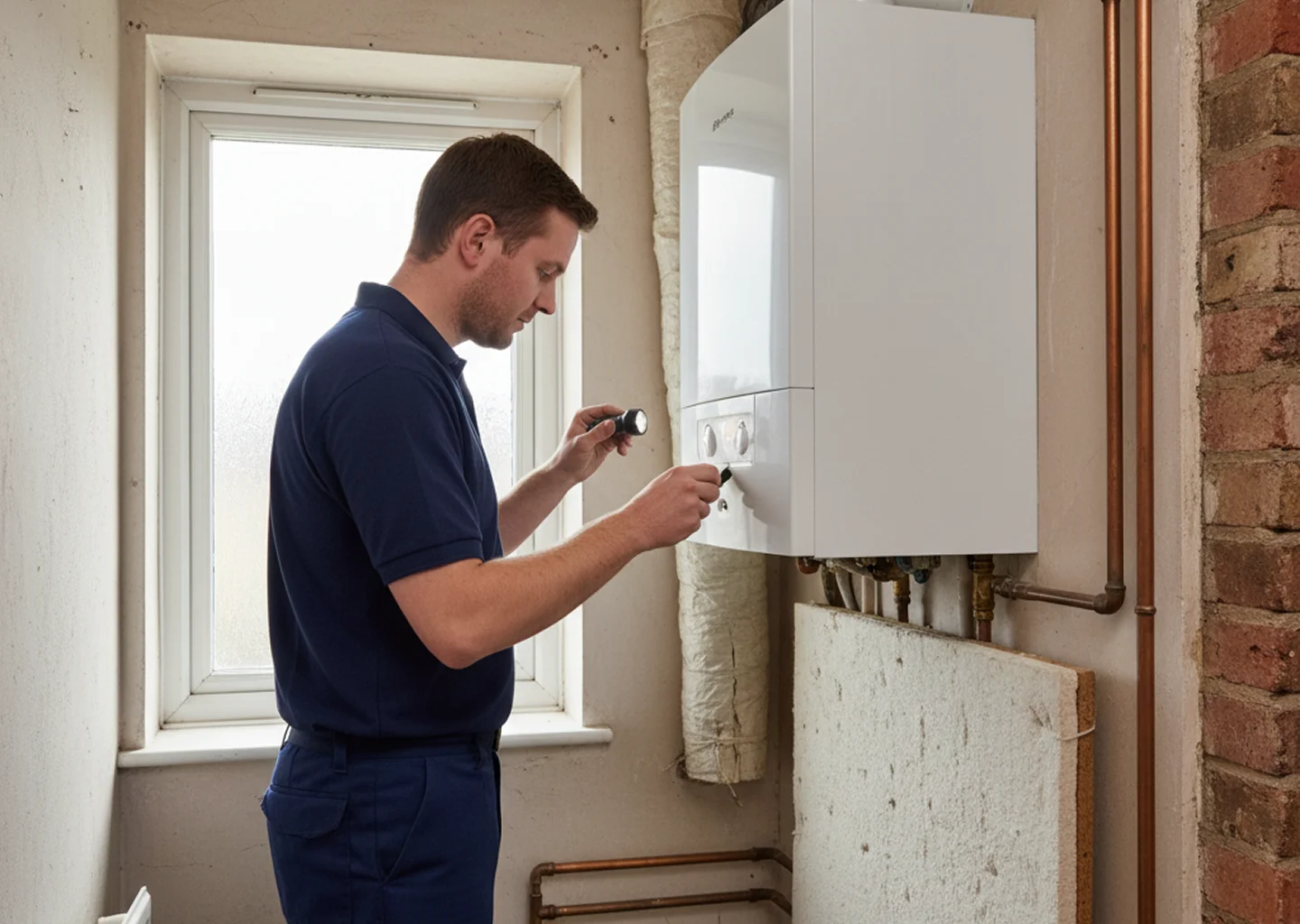
A homeowner in Mansfield wants to replace a boiler inside an older kitchen cupboard. The pipework is boxed in, and the current flue route may need changing.
One installer gives a quick quote without checking the boxing or flue closely. Another installer explains that the boxed-in area may need assessment before removal, and the quote is subject to safe access.
The second approach gives the homeowner a clearer understanding of the job. It may take longer at the start, but it reduces the risk of delay, unsafe disturbance or extra costs later.
Should You Ask About System Cleaning?
Yes, especially in older properties. Heating systems can build up sludge, rust and debris over time. If this is not dealt with, it can affect the new boiler’s performance and long-term reliability.
The installer may recommend:
- Water quality checks
- Magnetic filter installation
- System flush or clean
- Radiator balancing
- Inhibitor treatment
Not every system needs the same level of cleaning, but the installer should explain what is recommended and why.
What Questions Should You Ask Before Booking?
Asking direct questions can help you choose the right company.
Useful questions include:
- Will you check the boiler area before quoting?
- Will you inspect the flue route?
- Could any materials need specialist assessment?
- Is old pipe boxing being disturbed?
- What is included in the quote?
- What is excluded?
- Is system cleaning recommended?
- Are controls included?
- What happens if an issue is found on installation day?
- Will you explain the boiler and controls after fitting?
The way a company answers these questions says a lot about how carefully they plan.
Should Reviews Matter?
Reviews can help, but they should not be the only factor. A company may have strong general reviews, but you still need to know whether they understand older-property installations.
Look for signs that the company communicates clearly, explains quotes properly and does not rush the survey.
When comparing boiler installation companies, pay attention to both technical detail and how confidently they answer safety-related questions.
What Happens if a Problem Is Found on Installation Day?
If a problem is found on installation day, the installer may need to pause the work. This can happen if suspect materials are discovered, access is worse than expected or the flue route cannot be completed as planned.
A good company should explain:
- What has been found
- Why work must pause
- Whether a specialist is needed
- What costs may change
- What the revised timescale looks like
- When the installation can continue
This is another reason early checks are so valuable.
How Can You Make the Final Decision?
The best choice is usually the company that gives you the clearest plan. Look for detailed surveying, honest communication and a quote that explains both the core installation and possible risk areas.
Before deciding, compare:
- Survey quality
- Quote detail
- Warranty
- Safety awareness
- Specialist exclusions
- Flue planning
- System protection
- Aftercare
For older properties, the best boiler installation companies are the ones that understand removal risks before the first tool comes out. Speak to KJ Group to arrange a careful survey and clear installation advice.
Frequently Asked Questions
Choosing a boiler installer for an older property is about more than price. The right company should understand access, flue routes, older materials, system condition and safe removal planning.
KJ Group can help Mansfield homeowners approach boiler replacement with careful checks and clear advice. With the right planning, the installation can be safer, smoother and less stressful.
Related articles
Which fuel powers your boiler?
Mains Gas
LPG
Other
At a glance
The actual boiler may be only part of the job. Before the old appliance is removed, the installer should understand the surrounding area, access, gas pipework, flue route, controls and any possible specialist risks.
If you are comparing the best boiler installation companies, the right choice is the one that explains the full job clearly, not just the one that gives the fastest price.
If your property is older or the boiler area looks awkward, speak to KJ Group for practical survey advice.
Why Do Older Properties Need a More Careful Boiler Survey?
Older properties often have heating systems that have been changed over time. Pipework may have been boxed in, boilers may have been relocated, flues may have been adapted and cupboards may have been altered around the appliance.
This can make boiler removal less predictable. The installer may need to check whether anything around the boiler must be disturbed and whether the new boiler can be fitted safely in the same position.
A careful survey helps identify:
- Access issues
- Flue route concerns
- Gas pipe suitability
- Old controls
- Pipe boxing
- Possible asbestos-containing materials
- System cleanliness
- Space for servicing
- Any making-good requirements
These checks help prevent rushed decisions once the old boiler has already been removed.
What Should Be Checked Before the Old Boiler Is Removed?
Before removal, the installer should check both the boiler and the area around it. This helps confirm whether the work can begin safely.
Important checks include:
- Is the boiler accessible?
- Will nearby panels or boxing need removing?
- Is the flue route changing?
- Is the wall or ceiling material suitable for drilling?
- Are there any suspect materials?
- Is the gas pipe correctly sized?
- Is the condensate route suitable?
- Are heating controls being reused?
- Is the system water clean enough?
- Is there enough space for future servicing?
When comparing boiler installation companies, ask whether these checks are included before the final quote is confirmed.
Can Asbestos Concerns Affect Boiler Removal?
Yes, asbestos concerns can affect boiler removal if suspect materials are near the boiler, pipework or flue. Asbestos was used in some older UK building materials, especially where heat resistance or insulation was useful.
This does not mean every older boiler area contains asbestos. It means that unknown materials should be treated carefully if they may be disturbed.
If asbestos is suspected, the installer should not cut, drill, remove or break the material. A competent asbestos professional should assess it before the boiler work continues.
Installer Comparison Table for Older Properties
| What to Compare | Why It Matters | What Good Looks Like |
| Survey detail | Older homes can hide extra work | Full check of boiler, flue, access and surroundings |
| Risk awareness | Suspect materials may need specialist input | Installer pauses and advises correctly |
| Quote clarity | Avoids hidden extras | Clear inclusions, exclusions and assumptions |
| Flue planning | New boiler must meet current standards | Route checked before installation |
| System protection | Older systems may contain sludge | Filter and cleaning advice included |
| Handover | Homeowner needs clear guidance | Controls, warranty and servicing explained |
A clear, careful survey is often a better sign than a quick price.
Should the Installer Check for Suspect Materials?
The installer should look for visible signs that materials around the boiler may need specialist assessment. They are not there to diagnose asbestos by sight, but they should know when not to disturb something.
Suspect areas may include:
- Pipe boxing
- Old boards
- Flue surrounds
- Ceiling coatings
- Cupboard panels
- Pipe insulation
- Back boiler surrounds
The best boiler installation companies will be honest about what they can and cannot confirm. They should recommend specialist checks where needed rather than taking risks.
How Important Is the Flue Route?
The flue route is extremely important because it safely removes combustion gases from the boiler. A new boiler may need a new flue or changes to the existing route.
In older properties, flue work may involve walls, ceilings, roof spaces or previous openings. If these areas include unknown materials, they may need checking before drilling or alteration.
A proper survey should confirm:
- Where the flue currently exits
- Whether the route meets current standards
- Whether a new opening is needed
- Whether surrounding materials need checking
- Whether external access is required
- Whether plume management is needed
If you are unsure whether your flue route is straightforward, contact KJ Group and ask for a pre-installation survey before choosing your boiler.
Which fuel powers your boiler?
Mains Gas
LPG
Other
It just takes 60 Seconds
And then you can book a free consultation
Is the Cheapest Quote the Best Choice?
Not always. A cheaper quote may be suitable if the job is simple and the scope is clear. But in older properties, a low quote can sometimes leave out important checks.
For example, one quote may only include a basic boiler swap. Another may include flue assessment, system protection, control review and notes about specialist checks if suspect materials are found.
The better quote is the one that clearly explains what is included and what might change. The final price should be judged alongside the quality of the survey and the level of detail.
What Should a Quote Include?
A good quote should be written clearly and should show what the homeowner is paying for. It should also flag anything that sits outside the installer’s normal scope.
It should include:
- Boiler make and model
- Warranty length
- Labour
- Old boiler removal
- Flue work
- Pipework changes
- Heating controls
- Magnetic filter
- System cleaning recommendation
- Commissioning
- Handover
- Specialist exclusions
- Any conditions before work starts
This helps you compare quotes properly and avoid misunderstandings later.
Example Scenario: Older Mansfield Property With Boxed-In Pipework
A homeowner in Mansfield wants to replace a boiler inside an older kitchen cupboard. The pipework is boxed in, and the current flue route may need changing.
One installer gives a quick quote without checking the boxing or flue closely. Another installer explains that the boxed-in area may need assessment before removal, and the quote is subject to safe access.
The second approach gives the homeowner a clearer understanding of the job. It may take longer at the start, but it reduces the risk of delay, unsafe disturbance or extra costs later.
Should You Ask About System Cleaning?
Yes, especially in older properties. Heating systems can build up sludge, rust and debris over time. If this is not dealt with, it can affect the new boiler’s performance and long-term reliability.
The installer may recommend:
- Water quality checks
- Magnetic filter installation
- System flush or clean
- Radiator balancing
- Inhibitor treatment
Not every system needs the same level of cleaning, but the installer should explain what is recommended and why.
What Questions Should You Ask Before Booking?
Asking direct questions can help you choose the right company.
Useful questions include:
- Will you check the boiler area before quoting?
- Will you inspect the flue route?
- Could any materials need specialist assessment?
- Is old pipe boxing being disturbed?
- What is included in the quote?
- What is excluded?
- Is system cleaning recommended?
- Are controls included?
- What happens if an issue is found on installation day?
- Will you explain the boiler and controls after fitting?
The way a company answers these questions says a lot about how carefully they plan.
Should Reviews Matter?
Reviews can help, but they should not be the only factor. A company may have strong general reviews, but you still need to know whether they understand older-property installations.
Look for signs that the company communicates clearly, explains quotes properly and does not rush the survey.
When comparing boiler installation companies, pay attention to both technical detail and how confidently they answer safety-related questions.
What Happens if a Problem Is Found on Installation Day?
If a problem is found on installation day, the installer may need to pause the work. This can happen if suspect materials are discovered, access is worse than expected or the flue route cannot be completed as planned.
A good company should explain:
- What has been found
- Why work must pause
- Whether a specialist is needed
- What costs may change
- What the revised timescale looks like
- When the installation can continue
This is another reason early checks are so valuable.
How Can You Make the Final Decision?
The best choice is usually the company that gives you the clearest plan. Look for detailed surveying, honest communication and a quote that explains both the core installation and possible risk areas.
Before deciding, compare:
- Survey quality
- Quote detail
- Warranty
- Safety awareness
- Specialist exclusions
- Flue planning
- System protection
- Aftercare
For older properties, the best boiler installation companies are the ones that understand removal risks before the first tool comes out. Speak to KJ Group to arrange a careful survey and clear installation advice.
Frequently Asked Questions
Choosing a boiler installer for an older property is about more than price. The right company should understand access, flue routes, older materials, system condition and safe removal planning.
KJ Group can help Mansfield homeowners approach boiler replacement with careful checks and clear advice. With the right planning, the installation can be safer, smoother and less stressful.
Related articles
Which fuel powers your boiler?
Mains Gas
LPG
Other