
Gas Boiler Installation Mansfield: Combustion and Ventilation Checks Homeowners Should Understand
Learn how combustion, ventilation, flue and commissioning checks fit into a safe gas boiler installation and what Mansfield homeowners should ask.

Why you can trust our content
We know that the boiler industry can be confusing, but we only use trusted sources, including:





At a glance
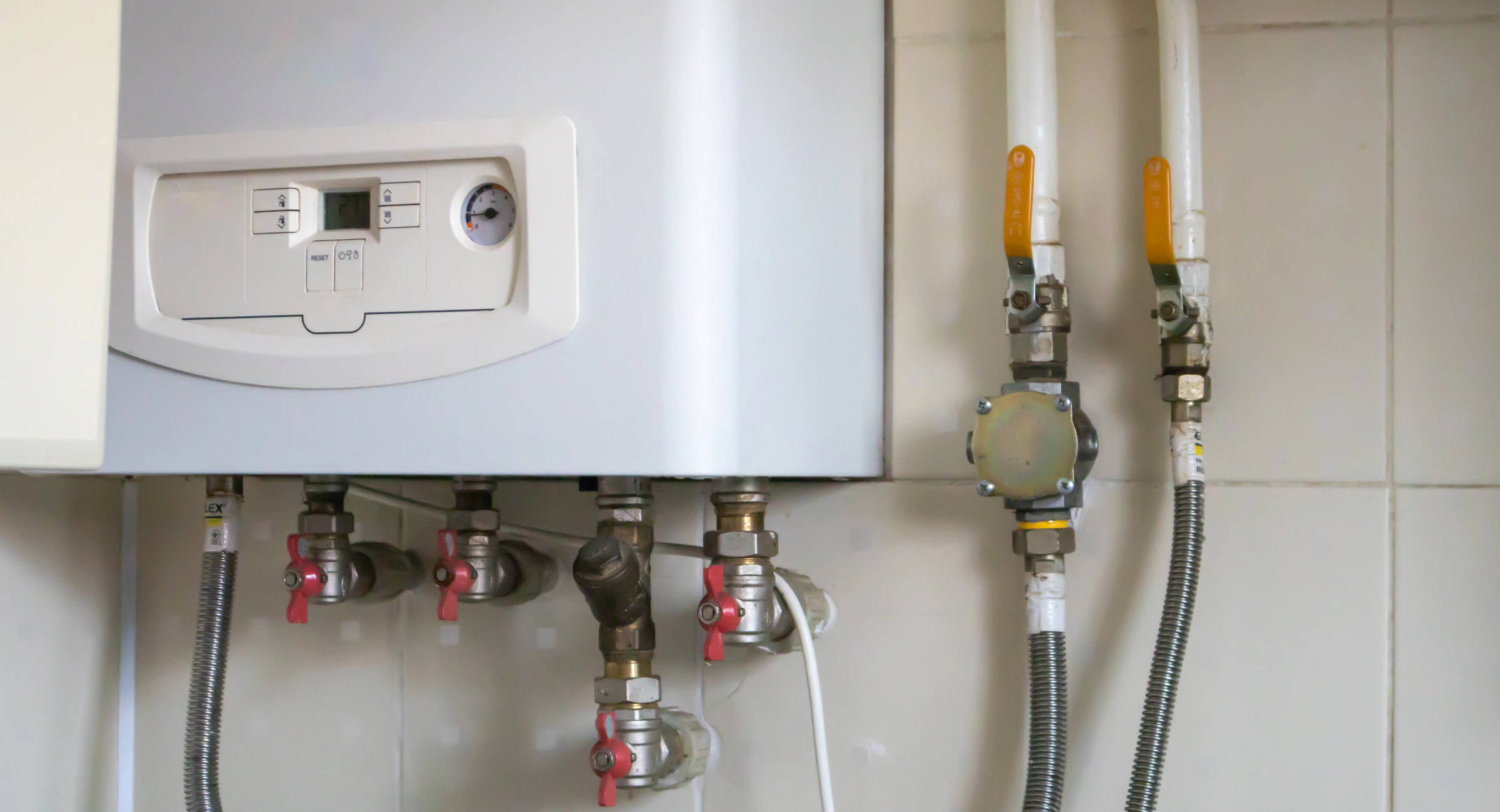
A gas boiler should do its job quietly in the background, keeping a home warm and providing hot water when needed. Because the appliance burns fuel, however, its installation involves more than connecting pipes and switching it on.
Combustion, ventilation and flue arrangements all form part of the safety picture. The exact requirements vary depending on the appliance, its location and the design of the property, which is why installation work needs to be assessed on an individual basis.
For anyone arranging gas boiler installation Mansfield, understanding what these checks involve can make it easier to discuss the work with an installer and recognise why certain parts of the installation matter.
Why do combustion and ventilation checks matter?
Gas needs to burn correctly for an appliance to operate as intended. If combustion is not taking place under the required conditions, there can be safety implications, including the potential production of carbon monoxide.
Ventilation requirements depend on the type of appliance and installation. Modern room-sealed boilers generally operate differently from older open-flued appliances, so there is no single ventilation arrangement that applies to every boiler.
An installer should therefore assess the specific appliance and property rather than assuming that an existing arrangement is automatically suitable.
A professional assessment can consider:
- The type and model of boiler
- Where the appliance is installed
- The flue route and terminal
- Existing ventilation arrangements where relevant
- Gas supply requirements
- Combustion performance
- Appliance commissioning
- Carbon monoxide alarm provision
These considerations work together rather than functioning as separate checks.
If you are considering replacing a gas boiler, contact KJ Group to discuss your property and the installation requirements before you book.
What is combustion in a gas boiler?
Combustion is the process in which gas is burned to produce heat. In a properly operating boiler, this process is controlled within the appliance so that it can produce heat efficiently while combustion products are safely removed through the flue.
Modern boilers contain safety and control systems designed around their specific operating requirements. Correct installation and commissioning help ensure those systems can function as intended.
Combustion performance cannot be reliably judged just by looking at the flame or listening to the appliance. Appropriate testing equipment and procedures are used by qualified professionals when commissioning and servicing appliances.
This is why combustion checks are an important part of the installation process rather than something homeowners should attempt themselves.
Do modern gas boilers always need ventilation?
Not necessarily. Ventilation requirements depend on the appliance type, installation location and relevant requirements.
Many modern room-sealed boilers take combustion air from outside through the flue system rather than relying on air from the room. This differs from some older appliance designs.
However, homeowners should not make assumptions based solely on the fact that their new boiler is modern. The installer needs to consider the exact appliance and location.
If changes to ventilation are required, they should be explained clearly before the work proceeds.
How does the flue support safe combustion?
The flue is a crucial part of a gas boiler because it provides a controlled route for combustion products to leave the appliance and discharge outside the property.
Its design and installation need to be appropriate for the boiler being fitted. The installer should consider the flue route, connections, terminal position and other relevant requirements.
During a replacement, the existing flue should not simply be assumed to be suitable for the new appliance. Depending on the boiler and installation, a new flue or modifications may be necessary.
Homeowners can reasonably ask:
- Is the existing flue being replaced?
- Is it compatible with the new boiler?
- Has the flue route been assessed?
- Will the completed installation be checked?
These questions can help clarify what is included in the work without requiring specialist technical knowledge.
What happens during a combustion check?
A combustion check involves using appropriate equipment and procedures to assess the appliance while it is operating.
The installer may check combustion-related readings against the manufacturer’s specified parameters and investigate anything that falls outside the expected range.
The exact procedure depends on the appliance and the manufacturer’s requirements.
For homeowners, the key point is simple: combustion should be assessed using suitable methods rather than relying on appearance alone.
This is particularly relevant after installation because commissioning provides an opportunity to identify issues before the boiler is placed into normal use.
Why is commissioning important after installation?
Commissioning is the process of checking and setting up the newly installed boiler so that it operates in accordance with the manufacturer’s instructions and relevant requirements.
It is an important final stage of gas boiler installation Mansfield homeowners should understand.
Commissioning can involve checking areas such as:
| Installation area | What the installer is establishing |
|---|---|
| Boiler operation | Whether the appliance operates correctly |
| Gas supply | Whether the appliance receives the required supply |
| Combustion | Whether relevant combustion readings are within specified parameters |
| Flue | Whether the completed arrangement is suitable and correctly installed |
| Heating system | Whether heating functions correctly |
| Hot water | Whether hot water operation is working as intended |
| Controls | Whether thermostats and other controls operate correctly |
| Safety devices | Whether relevant protective functions are working |
The exact checks vary according to the boiler and installation.
A boiler being able to produce heat is therefore only part of the commissioning picture.
Can poor ventilation affect boiler operation?
Where ventilation is relevant to an appliance, inadequate air supply can affect combustion and appliance operation.
However, homeowners should not assume that every boiler fault is caused by ventilation. Problems can have many causes, including component faults, gas supply issues, controls, pressure or other installation and maintenance factors.
If a boiler is showing unusual behaviour, it should be assessed by an appropriately qualified professional rather than diagnosed by the homeowner.
It is also important not to block, alter or remove ventilation openings without understanding their purpose.
What should a homeowner ask a gas boiler installer?
A reputable gas boiler installation company should be able to explain the major stages of the installation in straightforward terms.
Before agreeing to the work, homeowners can ask:
- How will the new boiler’s location be assessed?
- Is the existing flue suitable for the replacement?
- Are there any ventilation requirements for this appliance?
- Will the boiler be fully commissioned?
- Will combustion performance be checked as required?
- Is carbon monoxide alarm provision appropriate for the property?
- What happens if additional work is identified?
- What documentation will be provided after installation?
These questions are useful because they focus on the actual installation rather than simply the boiler brand or headline price.
A professional installer should also be willing to explain any recommended changes and why they are necessary.
If you have questions about flue, ventilation or combustion requirements, speak to KJ Group. Our team can explain the practical considerations relevant to your proposed boiler installation.
Does boiler location affect ventilation and flue requirements?
Yes. Where a boiler is installed can influence how the appliance is connected and what installation requirements apply.
Keeping a replacement boiler in its existing position may make some aspects of the work more straightforward, but this should still be assessed for the new appliance.
Moving a boiler can introduce additional considerations, including:
- A different flue route
- Additional pipework
- Changes to condensate drainage
- Alterations to controls
- Electrical requirements
- Access and clearances
The proposed location should therefore be considered before the quotation is finalised.
What is the difference between installation and servicing checks?
Installation checks take place when a new appliance is fitted and commissioned. Their purpose is to establish that the newly completed installation is operating correctly and meets the relevant requirements.
Servicing takes place during the boiler’s working life. It provides an opportunity for a suitably qualified professional to inspect and assess the appliance according to the manufacturer’s guidance and applicable procedures.
The two processes are related but not interchangeable.
A new boiler should still be properly commissioned even though it will need servicing later.
Similarly, having a recently installed boiler does not mean future servicing can be ignored.
What role does a carbon monoxide alarm play?
A carbon monoxide alarm provides an additional warning if carbon monoxide is detected. It is an important household safety measure, but it does not replace correct installation or professional servicing.
Where an alarm is required, its position should be appropriate for the appliance and property, taking account of applicable requirements and manufacturer guidance.
Homeowners should also know how to test the alarm and when it needs replacing.
If a carbon monoxide alarm sounds, the warning should be taken seriously. Follow the manufacturer’s instructions and relevant emergency guidance, move to fresh air if carbon monoxide is suspected, and arrange for the appliance to be checked by a suitably qualified professional.
A typical Mansfield installation scenario
Consider a homeowner in a typical Mansfield semi-detached property who is replacing an ageing gas boiler. The new boiler is intended to remain close to the existing location.
Before installation, the installer reviews the appliance position, flue route, gas supply and other relevant connections. The existing arrangement is not simply assumed to be suitable because the replacement boiler has different installation requirements.
Once the new appliance is fitted, it is commissioned according to the manufacturer’s instructions. Appropriate checks are completed, including combustion-related checks where applicable, and the homeowner is shown how to operate the controls.
The process gives the homeowner a clearer understanding of what has been done and why the safety checks form part of a complete installation.
What signs should prompt a boiler safety check?
Homeowners should not wait for a major breakdown before asking for professional advice if something about the boiler appears unusual.
Potential warning signs can include:
- Unusual smells around the appliance
- Unexpected changes in boiler operation
- Repeated fault codes
- Unusual noises
- Visible damage
- A carbon monoxide alarm sounding
- Persistent problems with heating or hot water
Not every unusual symptom indicates a combustion problem, but gas appliances should be assessed by a suitably qualified professional when safety is in question.
Do not attempt to remove boiler covers, alter gas components or investigate internal combustion yourself.
If your existing boiler is due for replacement or you have concerns about its installation, contact KJ Group for expert guidance. We can discuss your requirements and provide a tailored quotation where appropriate.
How can homeowners support safe boiler operation?
Once installation is complete, homeowners have an important role in keeping the system operating safely.
Simple measures include:
- Keep the boiler area accessible
- Do not obstruct relevant vents
- Do not interfere with the flue
- Test carbon monoxide alarms according to the manufacturer’s instructions
- Arrange servicing as recommended
- Report unusual appliance behaviour
- Keep installation and warranty documentation
- Use a suitably qualified professional for gas appliance work
These steps do not replace professional inspection, but they can help maintain awareness of the system after installation.
Related articles
Which fuel powers your boiler?

Mains Gas

LPG

Other
At a glance
A gas boiler should do its job quietly in the background, keeping a home warm and providing hot water when needed. Because the appliance burns fuel, however, its installation involves more than connecting pipes and switching it on.
Combustion, ventilation and flue arrangements all form part of the safety picture. The exact requirements vary depending on the appliance, its location and the design of the property, which is why installation work needs to be assessed on an individual basis.
For anyone arranging gas boiler installation Mansfield, understanding what these checks involve can make it easier to discuss the work with an installer and recognise why certain parts of the installation matter.
Why do combustion and ventilation checks matter?
Gas needs to burn correctly for an appliance to operate as intended. If combustion is not taking place under the required conditions, there can be safety implications, including the potential production of carbon monoxide.
Ventilation requirements depend on the type of appliance and installation. Modern room-sealed boilers generally operate differently from older open-flued appliances, so there is no single ventilation arrangement that applies to every boiler.
An installer should therefore assess the specific appliance and property rather than assuming that an existing arrangement is automatically suitable.
A professional assessment can consider:
- The type and model of boiler
- Where the appliance is installed
- The flue route and terminal
- Existing ventilation arrangements where relevant
- Gas supply requirements
- Combustion performance
- Appliance commissioning
- Carbon monoxide alarm provision
These considerations work together rather than functioning as separate checks.
If you are considering replacing a gas boiler, contact KJ Group to discuss your property and the installation requirements before you book.
What is combustion in a gas boiler?
Combustion is the process in which gas is burned to produce heat. In a properly operating boiler, this process is controlled within the appliance so that it can produce heat efficiently while combustion products are safely removed through the flue.
Modern boilers contain safety and control systems designed around their specific operating requirements. Correct installation and commissioning help ensure those systems can function as intended.
Combustion performance cannot be reliably judged just by looking at the flame or listening to the appliance. Appropriate testing equipment and procedures are used by qualified professionals when commissioning and servicing appliances.
This is why combustion checks are an important part of the installation process rather than something homeowners should attempt themselves.
Do modern gas boilers always need ventilation?
Not necessarily. Ventilation requirements depend on the appliance type, installation location and relevant requirements.
Many modern room-sealed boilers take combustion air from outside through the flue system rather than relying on air from the room. This differs from some older appliance designs.
However, homeowners should not make assumptions based solely on the fact that their new boiler is modern. The installer needs to consider the exact appliance and location.
If changes to ventilation are required, they should be explained clearly before the work proceeds.
How does the flue support safe combustion?
The flue is a crucial part of a gas boiler because it provides a controlled route for combustion products to leave the appliance and discharge outside the property.
Its design and installation need to be appropriate for the boiler being fitted. The installer should consider the flue route, connections, terminal position and other relevant requirements.
During a replacement, the existing flue should not simply be assumed to be suitable for the new appliance. Depending on the boiler and installation, a new flue or modifications may be necessary.
Homeowners can reasonably ask:
- Is the existing flue being replaced?
- Is it compatible with the new boiler?
- Has the flue route been assessed?
- Will the completed installation be checked?
These questions can help clarify what is included in the work without requiring specialist technical knowledge.
What happens during a combustion check?
A combustion check involves using appropriate equipment and procedures to assess the appliance while it is operating.
The installer may check combustion-related readings against the manufacturer’s specified parameters and investigate anything that falls outside the expected range.
The exact procedure depends on the appliance and the manufacturer’s requirements.
For homeowners, the key point is simple: combustion should be assessed using suitable methods rather than relying on appearance alone.
This is particularly relevant after installation because commissioning provides an opportunity to identify issues before the boiler is placed into normal use.
Why is commissioning important after installation?
Commissioning is the process of checking and setting up the newly installed boiler so that it operates in accordance with the manufacturer’s instructions and relevant requirements.
It is an important final stage of gas boiler installation Mansfield homeowners should understand.
Commissioning can involve checking areas such as:
| Installation area | What the installer is establishing |
|---|---|
| Boiler operation | Whether the appliance operates correctly |
| Gas supply | Whether the appliance receives the required supply |
| Combustion | Whether relevant combustion readings are within specified parameters |
| Flue | Whether the completed arrangement is suitable and correctly installed |
| Heating system | Whether heating functions correctly |
| Hot water | Whether hot water operation is working as intended |
| Controls | Whether thermostats and other controls operate correctly |
| Safety devices | Whether relevant protective functions are working |
The exact checks vary according to the boiler and installation.
A boiler being able to produce heat is therefore only part of the commissioning picture.
Can poor ventilation affect boiler operation?
Where ventilation is relevant to an appliance, inadequate air supply can affect combustion and appliance operation.
However, homeowners should not assume that every boiler fault is caused by ventilation. Problems can have many causes, including component faults, gas supply issues, controls, pressure or other installation and maintenance factors.
If a boiler is showing unusual behaviour, it should be assessed by an appropriately qualified professional rather than diagnosed by the homeowner.
It is also important not to block, alter or remove ventilation openings without understanding their purpose.
What should a homeowner ask a gas boiler installer?
A reputable gas boiler installation company should be able to explain the major stages of the installation in straightforward terms.
Before agreeing to the work, homeowners can ask:
- How will the new boiler’s location be assessed?
- Is the existing flue suitable for the replacement?
- Are there any ventilation requirements for this appliance?
- Will the boiler be fully commissioned?
- Will combustion performance be checked as required?
- Is carbon monoxide alarm provision appropriate for the property?
- What happens if additional work is identified?
- What documentation will be provided after installation?
These questions are useful because they focus on the actual installation rather than simply the boiler brand or headline price.
A professional installer should also be willing to explain any recommended changes and why they are necessary.
If you have questions about flue, ventilation or combustion requirements, speak to KJ Group. Our team can explain the practical considerations relevant to your proposed boiler installation.
Does boiler location affect ventilation and flue requirements?
Yes. Where a boiler is installed can influence how the appliance is connected and what installation requirements apply.
Keeping a replacement boiler in its existing position may make some aspects of the work more straightforward, but this should still be assessed for the new appliance.
Moving a boiler can introduce additional considerations, including:
- A different flue route
- Additional pipework
- Changes to condensate drainage
- Alterations to controls
- Electrical requirements
- Access and clearances
The proposed location should therefore be considered before the quotation is finalised.
What is the difference between installation and servicing checks?
Installation checks take place when a new appliance is fitted and commissioned. Their purpose is to establish that the newly completed installation is operating correctly and meets the relevant requirements.
Servicing takes place during the boiler’s working life. It provides an opportunity for a suitably qualified professional to inspect and assess the appliance according to the manufacturer’s guidance and applicable procedures.
The two processes are related but not interchangeable.
A new boiler should still be properly commissioned even though it will need servicing later.
Similarly, having a recently installed boiler does not mean future servicing can be ignored.
What role does a carbon monoxide alarm play?
A carbon monoxide alarm provides an additional warning if carbon monoxide is detected. It is an important household safety measure, but it does not replace correct installation or professional servicing.
Where an alarm is required, its position should be appropriate for the appliance and property, taking account of applicable requirements and manufacturer guidance.
Homeowners should also know how to test the alarm and when it needs replacing.
If a carbon monoxide alarm sounds, the warning should be taken seriously. Follow the manufacturer’s instructions and relevant emergency guidance, move to fresh air if carbon monoxide is suspected, and arrange for the appliance to be checked by a suitably qualified professional.
A typical Mansfield installation scenario
Consider a homeowner in a typical Mansfield semi-detached property who is replacing an ageing gas boiler. The new boiler is intended to remain close to the existing location.
Before installation, the installer reviews the appliance position, flue route, gas supply and other relevant connections. The existing arrangement is not simply assumed to be suitable because the replacement boiler has different installation requirements.
Once the new appliance is fitted, it is commissioned according to the manufacturer’s instructions. Appropriate checks are completed, including combustion-related checks where applicable, and the homeowner is shown how to operate the controls.
The process gives the homeowner a clearer understanding of what has been done and why the safety checks form part of a complete installation.
What signs should prompt a boiler safety check?
Homeowners should not wait for a major breakdown before asking for professional advice if something about the boiler appears unusual.
Potential warning signs can include:
- Unusual smells around the appliance
- Unexpected changes in boiler operation
- Repeated fault codes
- Unusual noises
- Visible damage
- A carbon monoxide alarm sounding
- Persistent problems with heating or hot water
Not every unusual symptom indicates a combustion problem, but gas appliances should be assessed by a suitably qualified professional when safety is in question.
Do not attempt to remove boiler covers, alter gas components or investigate internal combustion yourself.
If your existing boiler is due for replacement or you have concerns about its installation, contact KJ Group for expert guidance. We can discuss your requirements and provide a tailored quotation where appropriate.
How can homeowners support safe boiler operation?
Once installation is complete, homeowners have an important role in keeping the system operating safely.
Simple measures include:
- Keep the boiler area accessible
- Do not obstruct relevant vents
- Do not interfere with the flue
- Test carbon monoxide alarms according to the manufacturer’s instructions
- Arrange servicing as recommended
- Report unusual appliance behaviour
- Keep installation and warranty documentation
- Use a suitably qualified professional for gas appliance work
These steps do not replace professional inspection, but they can help maintain awareness of the system after installation.
Related articles
Which fuel powers your boiler?
Mains Gas
LPG
Other