
Cost for Boiler Installation: Which Older-Property Surprises Can Add to the Scope?
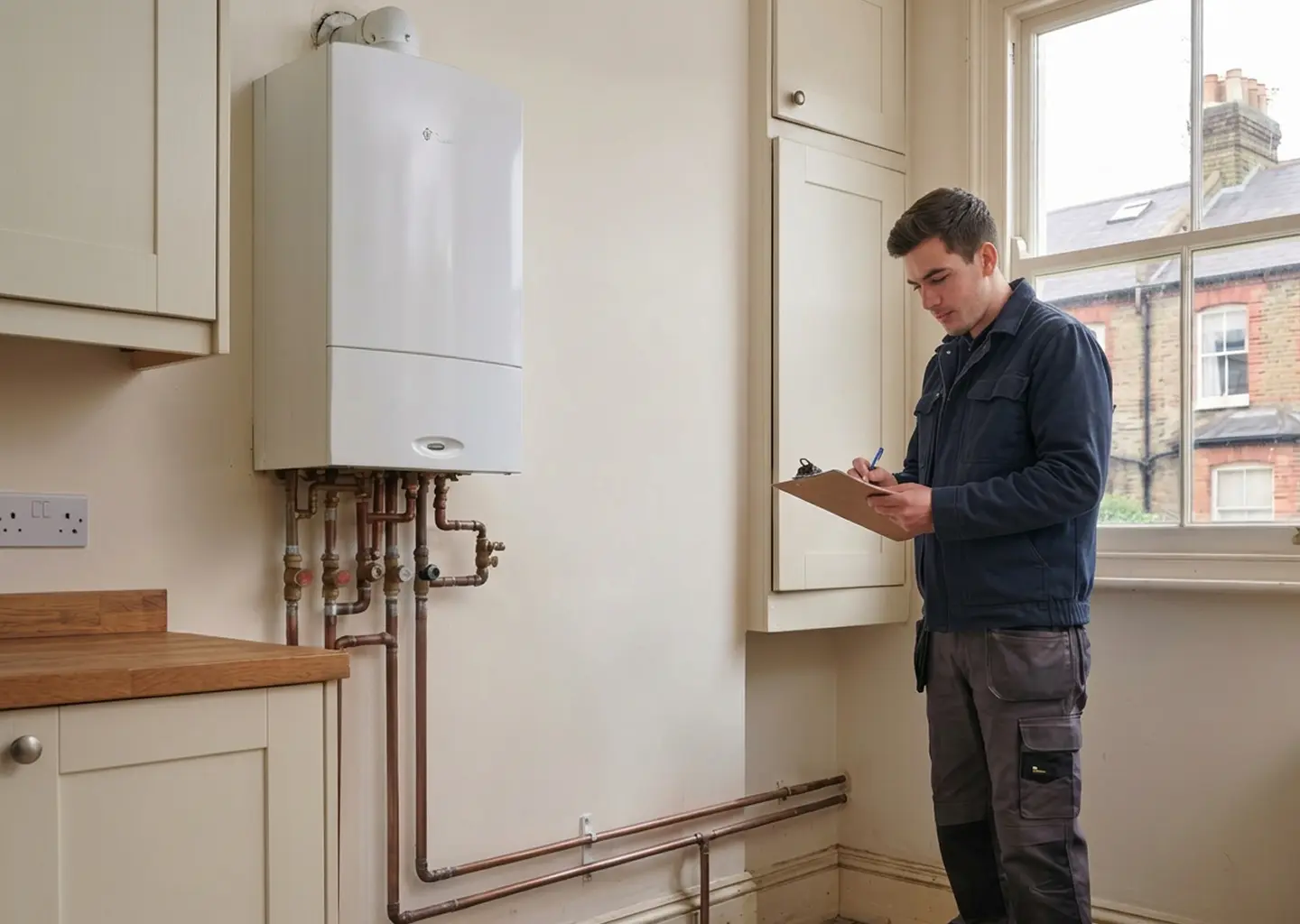
Replacing a boiler in an older property can be straightforward, but it is not always as simple as removing one appliance and fitting another in the same place. The boiler area may have old pipework, boxed-in materials, awkward flue routes, outdated controls or surfaces that need checking before work begins.

Why you can trust our content
We know that the boiler industry can be confusing, but we only use trusted sources, including:





At a glance
These details can affect the final scope of the job. That does not mean every older home will be difficult or expensive, but it does mean the quote should be based on a careful survey rather than a quick assumption.
If you are trying to understand the cost for boiler installation, the main thing to remember is that the boiler itself is only part of the project.
If your home is older or the boiler area looks awkward, speak to KJ Group for clear survey advice before booking.
Why Can Older Properties Add Extra Scope?
Older properties can add extra scope because heating systems often change over time. A boiler may have been moved, pipework may have been altered, cupboards may have been built around the appliance, or old flue routes may no longer suit current requirements.
The installer may need to check whether the existing setup is safe, accessible and suitable for the new boiler. If something needs upgrading, removing, testing or rerouting, the job may become more involved.
Extra scope is not always a problem. It simply needs to be identified early, priced clearly and handled in the right order.
What Counts as an Older-Property Surprise?
An older-property surprise is any issue that was not obvious at first but affects the work needed to replace the boiler. Some are found during the survey, while others only become clear once access is improved.
Common examples include:
- Suspect asbestos-containing materials
- Boxed-in pipework
- Awkward boiler access
- Old flue routes
- Undersized gas pipework
- Poor system water quality
- Outdated controls
- Damaged wall or ceiling materials
- Limited space for servicing
- Hidden leaks or corrosion
These can all influence the cost for boiler installation because they change the work required before, during or after fitting.
Which Surprises Can Affect the Quote Most?
Some surprises affect timing more than cost. Others can add specialist work, labour or materials.
|
Possible Surprise |
Why It Matters |
How It May Affect the Scope |
|
Suspect asbestos |
Materials must not be disturbed without assessment |
Specialist survey or removal may be needed |
|
Boxed-in pipework |
Installer may need access before removal |
Extra labour or specialist checks |
|
Flue route issue |
New boiler must meet current standards |
New flue parts or route changes |
|
Gas pipe too small |
Boiler needs suitable gas supply |
Pipework upgrade may be required |
|
Sludge in system |
Can damage or restrict the new boiler |
Cleaning or filter may be recommended |
|
Outdated controls |
May not suit the new boiler |
Control upgrade may be advised |
A detailed quote should show which of these are confirmed, possible or excluded.
Can Suspected Asbestos Add to the Scope?
Yes, suspected asbestos can add to the scope if the material may need to be disturbed. This is one of the most important older-property risks to treat carefully.
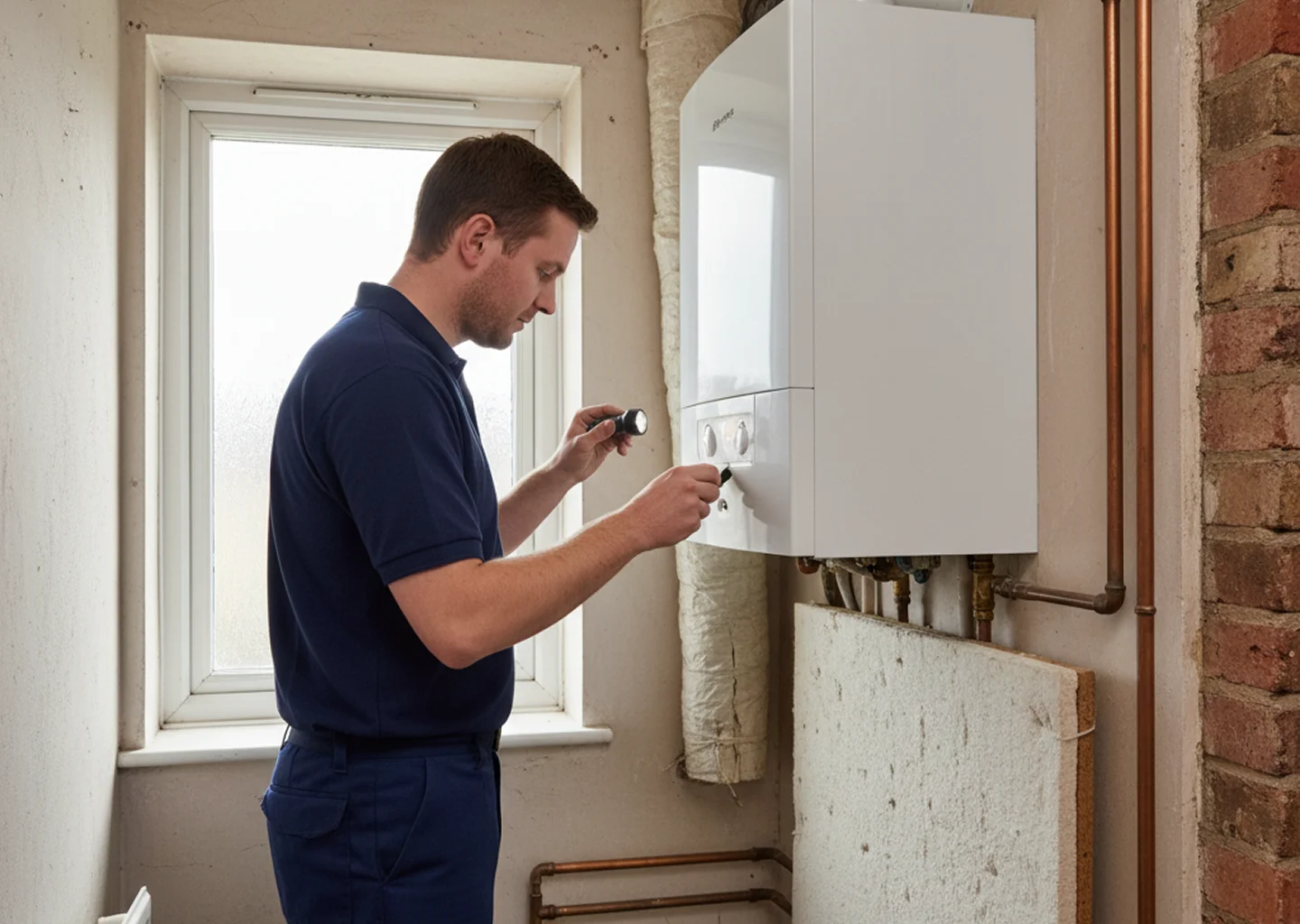
Asbestos-containing materials were used in some UK buildings before they were banned. In boiler areas, possible concern points include old pipe lagging, boards, panels, flue surrounds, ceiling coatings or service cupboards.
If suspect material is found, the installer should not cut, drill, remove or disturb it. A competent asbestos professional may need to assess or sample it before boiler work continues.
This can add cost, but it also protects everyone involved.
How Can Flue Changes Affect the Job?
The flue is a vital part of the boiler installation because it removes combustion gases safely. A replacement boiler may not be able to reuse the old flue route, especially if the previous setup is outdated or no longer suitable.
Flue changes can involve:
- New flue components
- Drilling a new external opening
- Sealing an old opening
- Working around internal boards or ceilings
- External access
- Plume management
- Extra making-good work
For older homes, the flue route should be checked during the survey, not left until installation day.
What if the Gas Pipe Needs Upgrading?
A new boiler needs the correct gas supply. If the existing gas pipe is undersized, poorly routed or not suitable for the new appliance, it may need upgrading.
This can affect the cost for new boiler installation because extra pipework, labour and access may be required. The installer should check this before confirming the final scope.
A gas pipe upgrade is not about upselling. It is about making sure the new boiler can operate safely and correctly.
Can Old Controls Increase the Cost?
Yes, old controls can increase the cost if they need replacing or upgrading. Older thermostats, programmers or wiring may not work well with the new boiler setup.
Control issues can cause:
- Poor heating response
- Confusing schedules
- Boiler running when it should not
- Rooms overheating or staying cold
- Reduced efficiency
- Difficulty using the system after installation
If your heating controls are old, unreliable or difficult to use, contact KJ Group and ask for them to be reviewed as part of your boiler survey.
Which fuel powers your boiler?

Mains Gas

LPG

Other
It just takes 60 Seconds
And then you can book a free consultation
Does System Sludge Add to the Scope?
It can do. Older heating systems may contain sludge, rust, scale or debris. If this is left in the system, it can affect the new boiler’s performance and may contribute to future faults.
An installer may recommend:
- Water quality testing
- System flushing or cleaning
- Magnetic filter installation
- Inhibitor treatment
- Radiator balancing
Not every system needs the same treatment, but system condition should be checked. A cheaper quote that ignores water quality may not give the full picture.
Example Scenario: Hidden Issues in an Older Mansfield Home
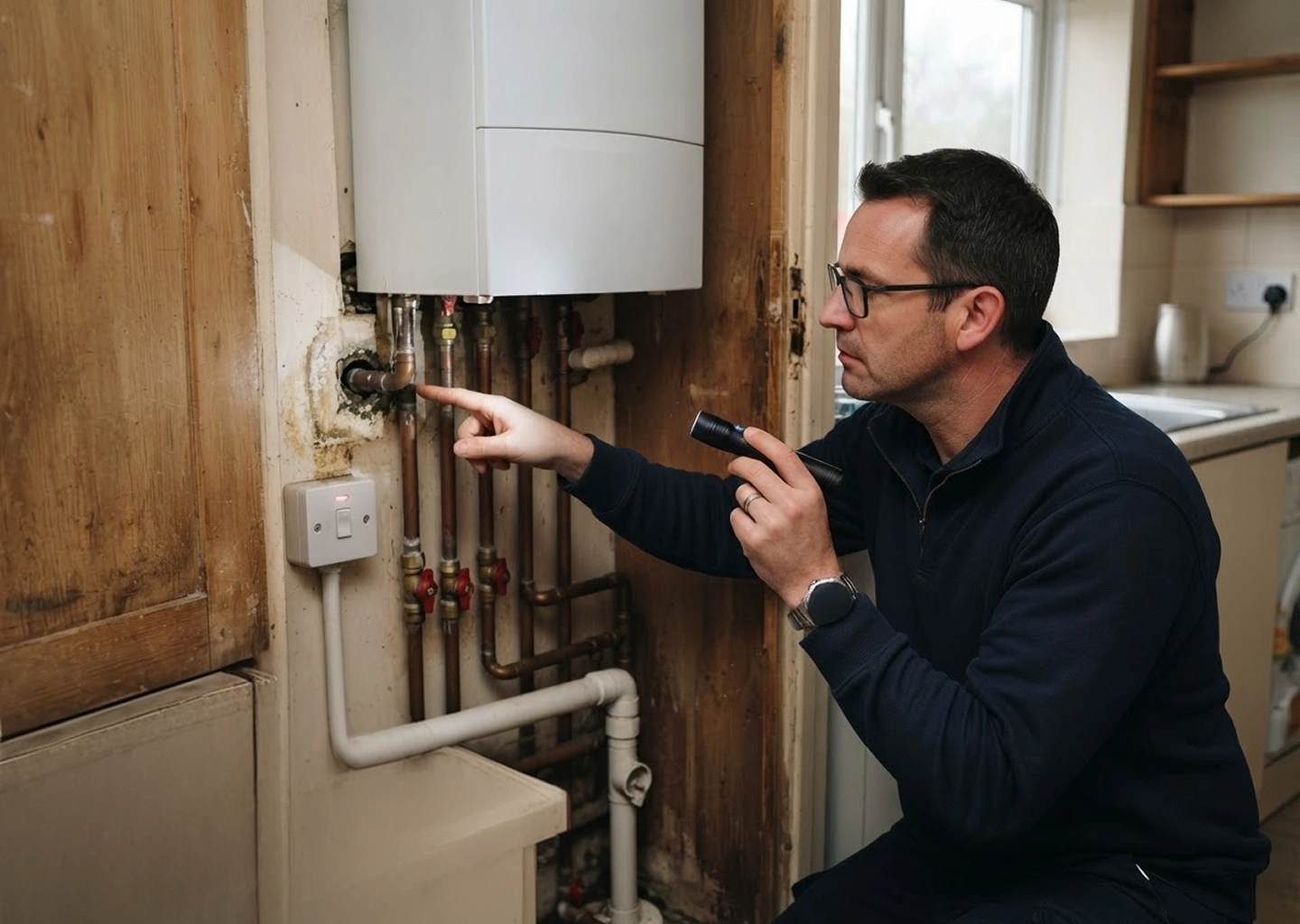
A Mansfield homeowner asks for a boiler replacement quote. The boiler is fitted in an older kitchen cupboard, with pipework boxed in and an old flue route through the wall.
During the survey, the installer notices the boxing may need checking before removal, the flue route may need updating and the existing controls are very basic.
The quote is then separated into core boiler work, recommended system protection and possible specialist checks. The homeowner gets a clearer view of the project before committing, rather than discovering each issue on installation day.
Can Access Problems Add Cost?
Yes, access problems can add cost if the installer needs extra time or additional work to reach the boiler, pipework, flue or controls.
Access issues may include:
- Tight cupboards
- Poor clearance around the boiler
- Pipework hidden behind panels
- Loft or high-level flue access
- Difficult external access
- Limited space for future servicing
- Units or boxing that need removing
A new boiler must be fitted where it can be serviced safely in the future. If the existing location does not allow this, the installer may need to adjust the plan.
Should Making Good Be Included?
Making good means repairing or tidying walls, ceilings, cupboards or surfaces after work has been completed. It is not always included in a boiler quote.
For older properties, making good may be needed if boxing is removed, flue holes are changed or specialist work affects surrounding materials.
The quote should state whether making good is included, excluded or limited. This avoids confusion once the installation is complete.
How Can You Tell if a Quote Is Missing Important Details?
A quote may be missing important details if it gives a single price without explaining what has been checked.
Warning signs include:
- No mention of flue route
- No mention of gas pipe suitability
- No controls information
- No system protection advice
- No exclusions
- No survey notes
- No mention of boxed-in pipework
- No explanation of what happens if suspect materials are found
- No written warranty information
When reviewing the cost for boiler installation, detail matters as much as the final number.
How Should Extra Scope Be Shown?
Extra scope should be shown clearly in the quote. It should not be hidden or left vague.
A good quote may separate the work into:
- Included installation work
- Required safety work
- Recommended system protection
- Optional improvements
- Specialist exclusions
- Provisional items
This makes it easier for the homeowner to understand what is essential and what may depend on further checks.
Can You Reduce the Risk of Surprise Costs?
You cannot prevent every hidden issue, but you can reduce the risk by arranging a proper survey and sharing useful property information.
Before the survey, try to gather:
- Property age
- Previous asbestos reports
- Boiler service records
- Any heating fault history
- Details of past renovations
- Information about boxed-in pipework
- Photos of the boiler area if requested
Also avoid removing unknown panels or boxing yourself. If the property is older, ask before disturbing materials.
Is a Bespoke Quote Worth It?
Yes, a bespoke quote is worth it for older properties. Generic estimates can be useful as a rough guide, but they cannot account for access, flues, pipework, controls or specialist risk checks.
A proper survey gives the installer a better understanding of the job and gives the homeowner a clearer budget.
For the cost for new boiler installation, a bespoke quote helps prevent comparing a basic appliance swap with a more complete installation plan.
When Should You Speak to an Installer?
You should speak to an installer before the boiler fails completely, especially if the home is older or the current boiler area looks difficult to work around.
Early advice gives you time to deal with any checks, specialist work or quote adjustments calmly. It also reduces the pressure of making decisions during a breakdown.
For older-property installations, planning ahead is often the best way to protect your budget.
Speak to KJ Group to arrange a careful survey and a clear installation quote.
Frequently Asked Questions
Older properties can bring surprises that affect the scope of a boiler installation, but most issues are easier to manage when they are spotted early. A careful survey helps identify access problems, flue requirements, system condition and any specialist checks before work starts.
KJ Group can help Mansfield homeowners plan boiler replacement clearly and safely. With the right advice, you can understand the true scope of the job and avoid unnecessary stress.
Related articles
Which fuel powers your boiler?
Mains Gas
LPG
Other
At a glance
These details can affect the final scope of the job. That does not mean every older home will be difficult or expensive, but it does mean the quote should be based on a careful survey rather than a quick assumption.
If you are trying to understand the cost for boiler installation, the main thing to remember is that the boiler itself is only part of the project.
If your home is older or the boiler area looks awkward, speak to KJ Group for clear survey advice before booking.
Why Can Older Properties Add Extra Scope?
Older properties can add extra scope because heating systems often change over time. A boiler may have been moved, pipework may have been altered, cupboards may have been built around the appliance, or old flue routes may no longer suit current requirements.
The installer may need to check whether the existing setup is safe, accessible and suitable for the new boiler. If something needs upgrading, removing, testing or rerouting, the job may become more involved.
Extra scope is not always a problem. It simply needs to be identified early, priced clearly and handled in the right order.
What Counts as an Older-Property Surprise?
An older-property surprise is any issue that was not obvious at first but affects the work needed to replace the boiler. Some are found during the survey, while others only become clear once access is improved.
Common examples include:
- Suspect asbestos-containing materials
- Boxed-in pipework
- Awkward boiler access
- Old flue routes
- Undersized gas pipework
- Poor system water quality
- Outdated controls
- Damaged wall or ceiling materials
- Limited space for servicing
- Hidden leaks or corrosion
These can all influence the cost for boiler installation because they change the work required before, during or after fitting.
Which Surprises Can Affect the Quote Most?
Some surprises affect timing more than cost. Others can add specialist work, labour or materials.
|
Possible Surprise |
Why It Matters |
How It May Affect the Scope |
|
Suspect asbestos |
Materials must not be disturbed without assessment |
Specialist survey or removal may be needed |
|
Boxed-in pipework |
Installer may need access before removal |
Extra labour or specialist checks |
|
Flue route issue |
New boiler must meet current standards |
New flue parts or route changes |
|
Gas pipe too small |
Boiler needs suitable gas supply |
Pipework upgrade may be required |
|
Sludge in system |
Can damage or restrict the new boiler |
Cleaning or filter may be recommended |
|
Outdated controls |
May not suit the new boiler |
Control upgrade may be advised |
A detailed quote should show which of these are confirmed, possible or excluded.
Can Suspected Asbestos Add to the Scope?
Yes, suspected asbestos can add to the scope if the material may need to be disturbed. This is one of the most important older-property risks to treat carefully.
Asbestos-containing materials were used in some UK buildings before they were banned. In boiler areas, possible concern points include old pipe lagging, boards, panels, flue surrounds, ceiling coatings or service cupboards.
If suspect material is found, the installer should not cut, drill, remove or disturb it. A competent asbestos professional may need to assess or sample it before boiler work continues.
This can add cost, but it also protects everyone involved.
How Can Flue Changes Affect the Job?
The flue is a vital part of the boiler installation because it removes combustion gases safely. A replacement boiler may not be able to reuse the old flue route, especially if the previous setup is outdated or no longer suitable.
Flue changes can involve:
- New flue components
- Drilling a new external opening
- Sealing an old opening
- Working around internal boards or ceilings
- External access
- Plume management
- Extra making-good work
For older homes, the flue route should be checked during the survey, not left until installation day.
What if the Gas Pipe Needs Upgrading?
A new boiler needs the correct gas supply. If the existing gas pipe is undersized, poorly routed or not suitable for the new appliance, it may need upgrading.
This can affect the cost for new boiler installation because extra pipework, labour and access may be required. The installer should check this before confirming the final scope.
A gas pipe upgrade is not about upselling. It is about making sure the new boiler can operate safely and correctly.
Can Old Controls Increase the Cost?
Yes, old controls can increase the cost if they need replacing or upgrading. Older thermostats, programmers or wiring may not work well with the new boiler setup.
Control issues can cause:
- Poor heating response
- Confusing schedules
- Boiler running when it should not
- Rooms overheating or staying cold
- Reduced efficiency
- Difficulty using the system after installation
If your heating controls are old, unreliable or difficult to use, contact KJ Group and ask for them to be reviewed as part of your boiler survey.
Which fuel powers your boiler?
Mains Gas
LPG
Other
It just takes 60 Seconds
And then you can book a free consultation
Does System Sludge Add to the Scope?
It can do. Older heating systems may contain sludge, rust, scale or debris. If this is left in the system, it can affect the new boiler’s performance and may contribute to future faults.
An installer may recommend:
- Water quality testing
- System flushing or cleaning
- Magnetic filter installation
- Inhibitor treatment
- Radiator balancing
Not every system needs the same treatment, but system condition should be checked. A cheaper quote that ignores water quality may not give the full picture.
Example Scenario: Hidden Issues in an Older Mansfield Home
A Mansfield homeowner asks for a boiler replacement quote. The boiler is fitted in an older kitchen cupboard, with pipework boxed in and an old flue route through the wall.
During the survey, the installer notices the boxing may need checking before removal, the flue route may need updating and the existing controls are very basic.
The quote is then separated into core boiler work, recommended system protection and possible specialist checks. The homeowner gets a clearer view of the project before committing, rather than discovering each issue on installation day.
Can Access Problems Add Cost?
Yes, access problems can add cost if the installer needs extra time or additional work to reach the boiler, pipework, flue or controls.
Access issues may include:
- Tight cupboards
- Poor clearance around the boiler
- Pipework hidden behind panels
- Loft or high-level flue access
- Difficult external access
- Limited space for future servicing
- Units or boxing that need removing
A new boiler must be fitted where it can be serviced safely in the future. If the existing location does not allow this, the installer may need to adjust the plan.
Should Making Good Be Included?
Making good means repairing or tidying walls, ceilings, cupboards or surfaces after work has been completed. It is not always included in a boiler quote.
For older properties, making good may be needed if boxing is removed, flue holes are changed or specialist work affects surrounding materials.
The quote should state whether making good is included, excluded or limited. This avoids confusion once the installation is complete.
How Can You Tell if a Quote Is Missing Important Details?
A quote may be missing important details if it gives a single price without explaining what has been checked.
Warning signs include:
- No mention of flue route
- No mention of gas pipe suitability
- No controls information
- No system protection advice
- No exclusions
- No survey notes
- No mention of boxed-in pipework
- No explanation of what happens if suspect materials are found
- No written warranty information
When reviewing the cost for boiler installation, detail matters as much as the final number.
How Should Extra Scope Be Shown?
Extra scope should be shown clearly in the quote. It should not be hidden or left vague.
A good quote may separate the work into:
- Included installation work
- Required safety work
- Recommended system protection
- Optional improvements
- Specialist exclusions
- Provisional items
This makes it easier for the homeowner to understand what is essential and what may depend on further checks.
Can You Reduce the Risk of Surprise Costs?
You cannot prevent every hidden issue, but you can reduce the risk by arranging a proper survey and sharing useful property information.
Before the survey, try to gather:
- Property age
- Previous asbestos reports
- Boiler service records
- Any heating fault history
- Details of past renovations
- Information about boxed-in pipework
- Photos of the boiler area if requested
Also avoid removing unknown panels or boxing yourself. If the property is older, ask before disturbing materials.
Is a Bespoke Quote Worth It?
Yes, a bespoke quote is worth it for older properties. Generic estimates can be useful as a rough guide, but they cannot account for access, flues, pipework, controls or specialist risk checks.
A proper survey gives the installer a better understanding of the job and gives the homeowner a clearer budget.
For the cost for new boiler installation, a bespoke quote helps prevent comparing a basic appliance swap with a more complete installation plan.
When Should You Speak to an Installer?
You should speak to an installer before the boiler fails completely, especially if the home is older or the current boiler area looks difficult to work around.
Early advice gives you time to deal with any checks, specialist work or quote adjustments calmly. It also reduces the pressure of making decisions during a breakdown.
For older-property installations, planning ahead is often the best way to protect your budget.
Speak to KJ Group to arrange a careful survey and a clear installation quote.
Frequently Asked Questions
Older properties can bring surprises that affect the scope of a boiler installation, but most issues are easier to manage when they are spotted early. A careful survey helps identify access problems, flue requirements, system condition and any specialist checks before work starts.
KJ Group can help Mansfield homeowners plan boiler replacement clearly and safely. With the right advice, you can understand the true scope of the job and avoid unnecessary stress.
Related articles
Which fuel powers your boiler?
Mains Gas
LPG
Other