
Integrating a New Boiler With Existing Pipework – What Homeowners Miss
Upgrading your boiler is often seen as a straightforward swap – out with the old unit and in…

Why you can trust our content
We know that the boiler industry can be confusing, but we only use trusted sources, including:





At a glance
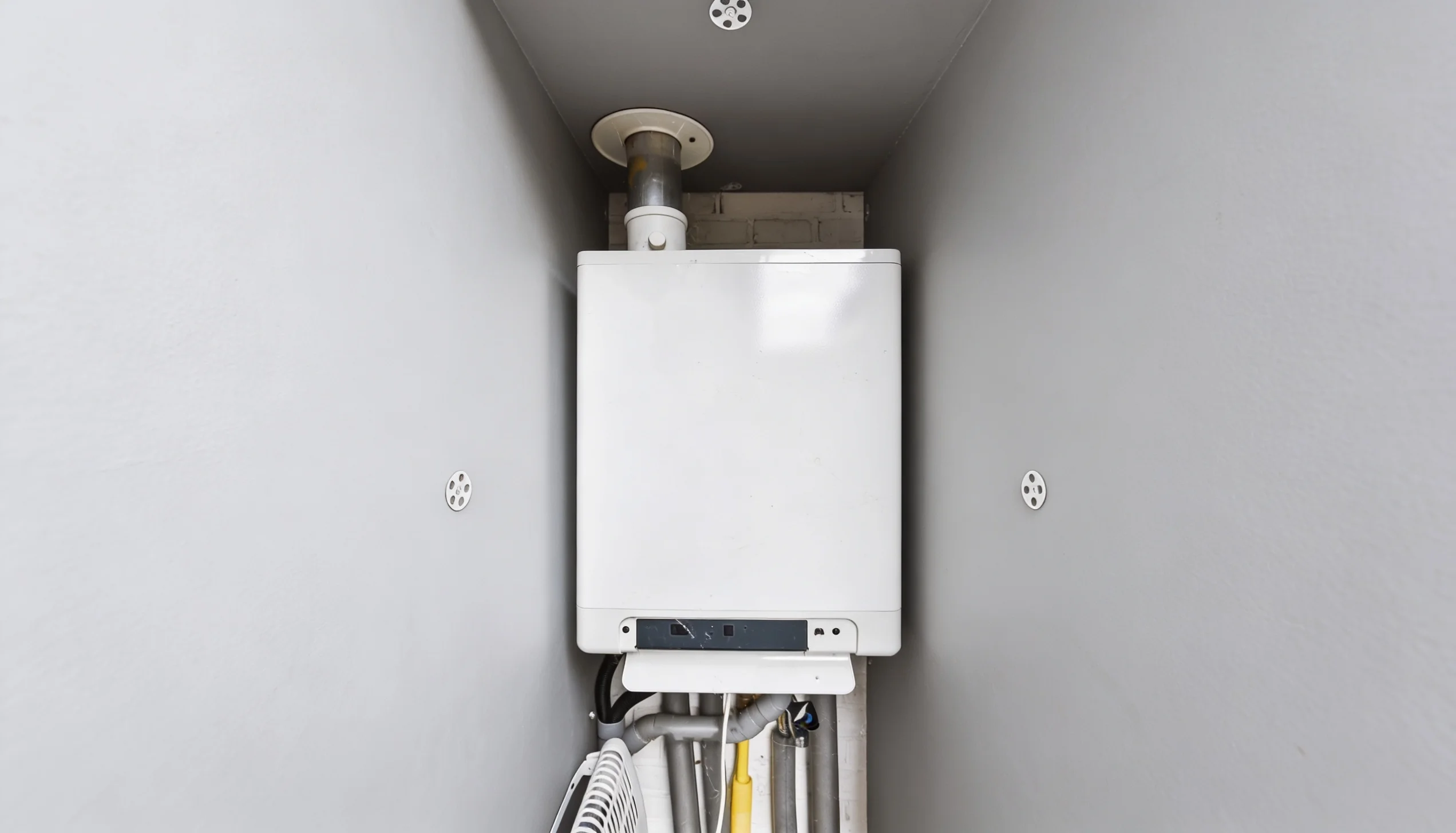
Upgrading your boiler is often seen as a straightforward swap – out with the old unit and in with a new, more efficient model. However, what many homeowners don’t realise is that the boiler itself is only one part of a much larger system.
Your existing pipework plays a critical role in how well your new boiler performs. If it’s not assessed properly, even the best boiler can struggle to deliver the efficiency and comfort you expect. This is particularly important when planning a boiler installation mansfield, where many properties have older heating systems that may not be compatible with modern upgrades.
If you’re considering an upgrade, it’s worth speaking to our team for tailored advice on your full heating system, not just the boiler.
Why does existing pipework matter when installing a new boiler?
Your boiler doesn’t work in isolation. It relies on a network of pipes to distribute heat evenly throughout your home. If those pipes are outdated, undersized, or poorly configured, they can restrict flow and reduce overall efficiency.
Common issues include:
- Sludge build-up reducing water circulation
- Narrow pipe diameters limiting flow rate
- Poor layout causing uneven heating
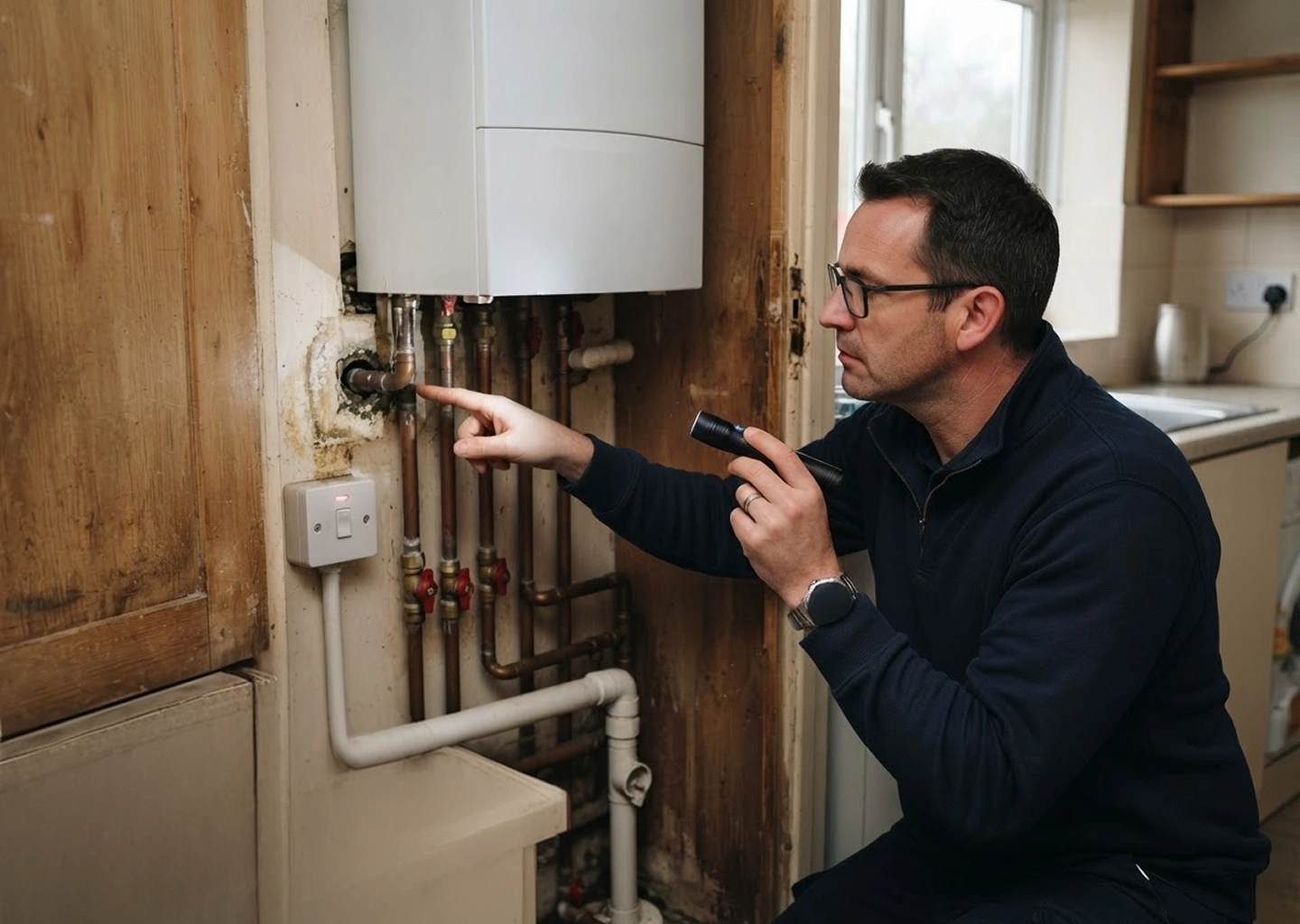
- Hidden leaks or corrosion
When these problems aren’t addressed, homeowners often face higher energy bills and inconsistent heating – even after installing a brand-new boiler.
What do homeowners typically overlook?
Many people assume that replacing the boiler will automatically fix heating issues. Unfortunately, that’s not always the case.
Here are some commonly overlooked factors:
1. Pipe sizing and compatibility
Modern boilers, especially combi systems, often require a higher flow rate. Older pipework may not meet these demands, leading to reduced performance.
2. System cleanliness
Over time, heating systems accumulate sludge and debris. Without a proper flush, this can damage your new boiler and shorten its lifespan.
3. Pressure balance
Uneven pressure across the system can cause radiators to heat inconsistently, leaving some rooms colder than others.
4. Future-proofing
Homeowners rarely consider whether their current pipework will support future upgrades, such as additional radiators or underfloor heating.
How does pipework affect boiler installation costs?
One of the biggest misconceptions is that boiler replacement has a fixed price. In reality, boiler installation costs can vary significantly depending on the condition of your existing system.
Here’s a simple breakdown:
|
Factor |
Impact on Cost |
|
Pipe upgrades required |
Moderate to high |
|
Power flushing |
Additional but essential |
|
System redesign |
Higher upfront investment |
|
Minor adjustments only |
Lower overall cost |
While it may be tempting to minimise upfront work, skipping necessary upgrades often leads to higher long-term expenses through inefficiency and repairs.
Should you upgrade pipework at the same time?
In many cases, yes – especially if your system is more than 10-15 years old.
Upgrading pipework during a boiler installation mansfield can:
- Improve heating efficiency across your home
- Reduce strain on the new boiler
- Lower ongoing maintenance issues
- Enhance overall system lifespan
However, not every home requires a full overhaul. A professional assessment will determine whether partial upgrades or targeted improvements are sufficient.
If you’re unsure about your system, you can request a full inspection and get clear guidance on what’s actually needed.
Which fuel powers your boiler?

Mains Gas

LPG

Other
It just takes 60 Seconds
And then you can book a free consultation
What checks should a professional installer carry out?
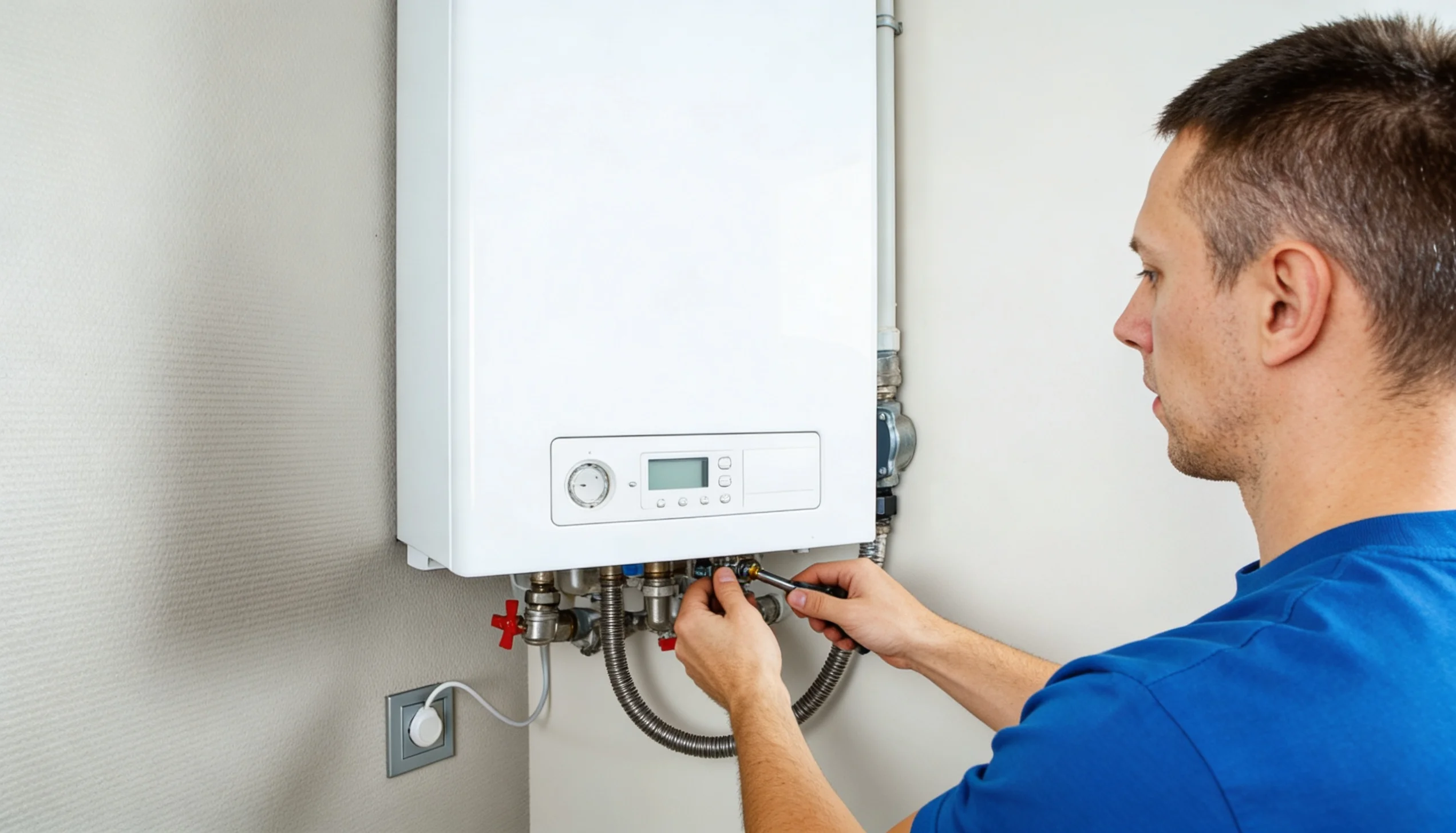
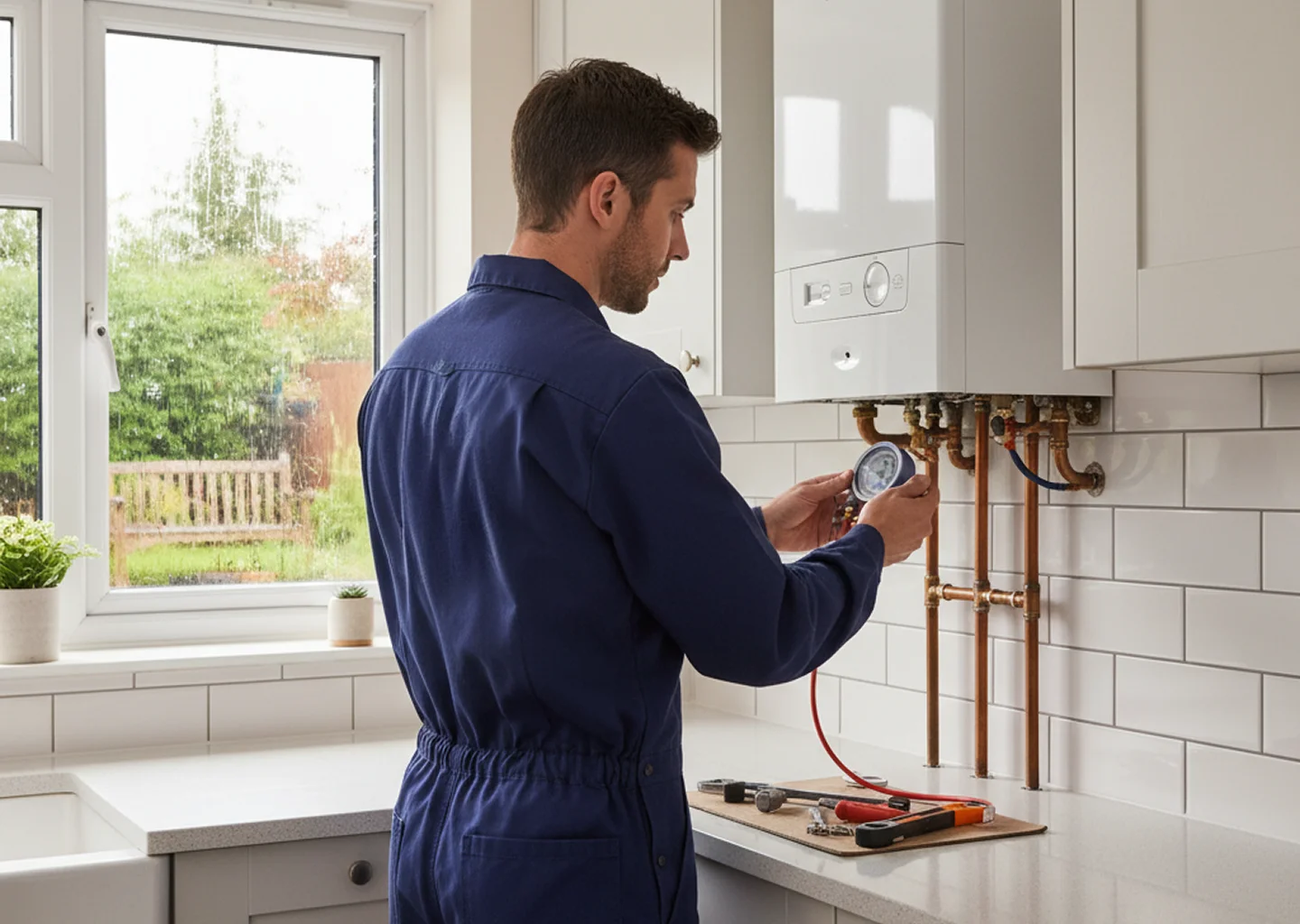
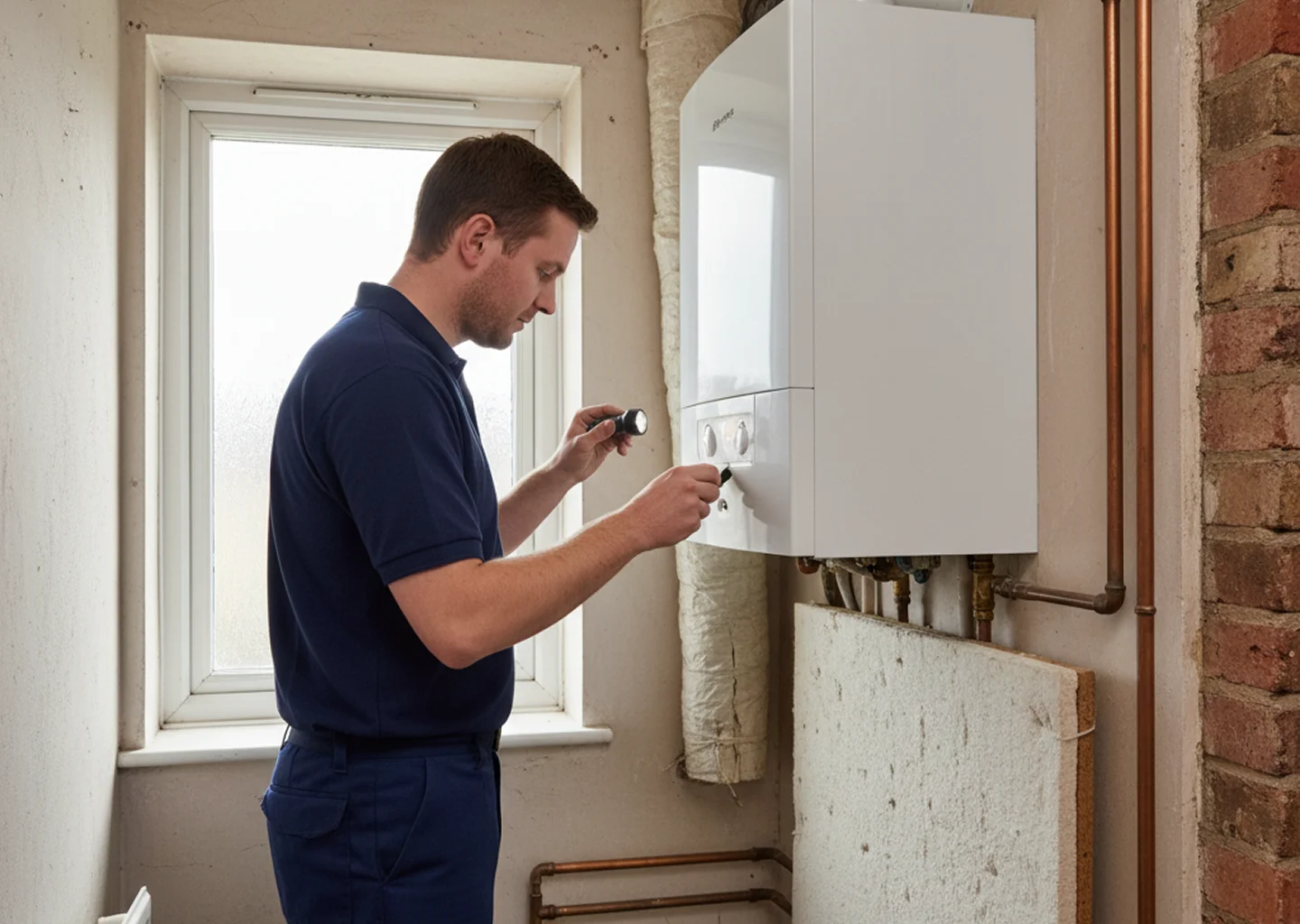
A high-quality installation goes far beyond fitting the boiler itself. Experienced engineers will assess the entire heating system to ensure everything works together properly.
Key checks include:
- Flow rate testing
- Pipe diameter inspection
- System pressure evaluation
- Water quality testing
- Heat loss calculations
These checks help identify hidden issues that could otherwise compromise your new system.
Can old pipework reduce boiler efficiency?
Yes – significantly.
Even the most energy-efficient boiler cannot perform well if the system it’s connected to is inefficient. Poor pipework can:
- Increase heat loss before water reaches radiators
- Cause the boiler to work harder than necessary
- Lead to uneven heating distribution
- Shorten the lifespan of components
This is why homeowners investing in boiler installation mansfield should always consider the condition of their wider system, not just the appliance itself.
A typical Mansfield home scenario
In many Mansfield properties, particularly older semi-detached homes, it’s common to find legacy pipework that was designed for outdated heating systems.
For example, a homeowner upgrading to a modern combi boiler may find:
- Existing pipes are too narrow for optimal flow
- Radiators are not balanced correctly
- Sludge has built up over years of use
In this situation, simply installing a new boiler would not deliver the expected results. By carrying out a system flush and upgrading key sections of pipework, the installer ensures the new boiler operates efficiently from day one.
What’s the long-term benefit of doing it properly?
Taking a whole-system approach might involve a slightly higher upfront investment, but it pays off over time.
Benefits include:
- Lower energy bills
- More consistent heating throughout the home
- Reduced breakdown risk
- Longer boiler lifespan
- Better overall comfort
When considering boiler installation costs, it’s important to look beyond the initial price and focus on long-term value.
Is a system upgrade always necessary?
Not always. Some systems are in good condition and only require minor adjustments.
A professional installer will typically recommend one of the following:
- Keep existing pipework with minor improvements
- Upgrade specific sections causing issues
- Fully redesign the system for optimal performance
The key is accurate assessment rather than assumptions.
Frequently Asked Questions
Installing a new boiler is more than just replacing a single unit – it’s about ensuring your entire heating system works efficiently together. Existing pipework plays a crucial role in this, and overlooking it can lead to disappointing results and unnecessary costs.
By taking a whole-system approach, you can maximise performance, improve comfort, and protect your investment for years to come. KJ Group understands the importance of doing things properly, ensuring every installation is designed with long-term efficiency in mind.
By taking a whole-system approach, you can maximise performance, improve comfort, and protect your investment for years to come. KJ Group understands the importance of doing things properly, ensuring every installation is designed with long-term efficiency in mind.
If you’re planning an upgrade, contact our team to discuss your options and arrange a comprehensive system assessment.
Related articles
Which fuel powers your boiler?
Mains Gas
LPG
Other
At a glance
Upgrading your boiler is often seen as a straightforward swap – out with the old unit and in with a new, more efficient model. However, what many homeowners don’t realise is that the boiler itself is only one part of a much larger system.
Your existing pipework plays a critical role in how well your new boiler performs. If it’s not assessed properly, even the best boiler can struggle to deliver the efficiency and comfort you expect. This is particularly important when planning a boiler installation mansfield, where many properties have older heating systems that may not be compatible with modern upgrades.
If you’re considering an upgrade, it’s worth speaking to our team for tailored advice on your full heating system, not just the boiler.
Why does existing pipework matter when installing a new boiler?
Your boiler doesn’t work in isolation. It relies on a network of pipes to distribute heat evenly throughout your home. If those pipes are outdated, undersized, or poorly configured, they can restrict flow and reduce overall efficiency.
Common issues include:
- Sludge build-up reducing water circulation
- Narrow pipe diameters limiting flow rate
- Poor layout causing uneven heating
- Hidden leaks or corrosion
When these problems aren’t addressed, homeowners often face higher energy bills and inconsistent heating – even after installing a brand-new boiler.
What do homeowners typically overlook?
Many people assume that replacing the boiler will automatically fix heating issues. Unfortunately, that’s not always the case.
Here are some commonly overlooked factors:
1. Pipe sizing and compatibility
Modern boilers, especially combi systems, often require a higher flow rate. Older pipework may not meet these demands, leading to reduced performance.
2. System cleanliness
Over time, heating systems accumulate sludge and debris. Without a proper flush, this can damage your new boiler and shorten its lifespan.
3. Pressure balance
Uneven pressure across the system can cause radiators to heat inconsistently, leaving some rooms colder than others.
4. Future-proofing
Homeowners rarely consider whether their current pipework will support future upgrades, such as additional radiators or underfloor heating.
How does pipework affect boiler installation costs?
One of the biggest misconceptions is that boiler replacement has a fixed price. In reality, boiler installation costs can vary significantly depending on the condition of your existing system.
Here’s a simple breakdown:
|
Factor |
Impact on Cost |
|
Pipe upgrades required |
Moderate to high |
|
Power flushing |
Additional but essential |
|
System redesign |
Higher upfront investment |
|
Minor adjustments only |
Lower overall cost |
While it may be tempting to minimise upfront work, skipping necessary upgrades often leads to higher long-term expenses through inefficiency and repairs.
Should you upgrade pipework at the same time?
In many cases, yes – especially if your system is more than 10-15 years old.
Upgrading pipework during a boiler installation mansfield can:
- Improve heating efficiency across your home
- Reduce strain on the new boiler
- Lower ongoing maintenance issues
- Enhance overall system lifespan
However, not every home requires a full overhaul. A professional assessment will determine whether partial upgrades or targeted improvements are sufficient.
If you’re unsure about your system, you can request a full inspection and get clear guidance on what’s actually needed.
Which fuel powers your boiler?
Mains Gas
LPG
Other
It just takes 60 Seconds
And then you can book a free consultation
What checks should a professional installer carry out?
A high-quality installation goes far beyond fitting the boiler itself. Experienced engineers will assess the entire heating system to ensure everything works together properly.
Key checks include:
- Flow rate testing
- Pipe diameter inspection
- System pressure evaluation
- Water quality testing
- Heat loss calculations
These checks help identify hidden issues that could otherwise compromise your new system.
Can old pipework reduce boiler efficiency?
Yes – significantly.
Even the most energy-efficient boiler cannot perform well if the system it’s connected to is inefficient. Poor pipework can:
- Increase heat loss before water reaches radiators
- Cause the boiler to work harder than necessary
- Lead to uneven heating distribution
- Shorten the lifespan of components
This is why homeowners investing in boiler installation mansfield should always consider the condition of their wider system, not just the appliance itself.
A typical Mansfield home scenario
In many Mansfield properties, particularly older semi-detached homes, it’s common to find legacy pipework that was designed for outdated heating systems.
For example, a homeowner upgrading to a modern combi boiler may find:
- Existing pipes are too narrow for optimal flow
- Radiators are not balanced correctly
- Sludge has built up over years of use
In this situation, simply installing a new boiler would not deliver the expected results. By carrying out a system flush and upgrading key sections of pipework, the installer ensures the new boiler operates efficiently from day one.
What’s the long-term benefit of doing it properly?
Taking a whole-system approach might involve a slightly higher upfront investment, but it pays off over time.
Benefits include:
- Lower energy bills
- More consistent heating throughout the home
- Reduced breakdown risk
- Longer boiler lifespan
- Better overall comfort
When considering boiler installation costs, it’s important to look beyond the initial price and focus on long-term value.
Is a system upgrade always necessary?
Not always. Some systems are in good condition and only require minor adjustments.
A professional installer will typically recommend one of the following:
- Keep existing pipework with minor improvements
- Upgrade specific sections causing issues
- Fully redesign the system for optimal performance
The key is accurate assessment rather than assumptions.
Frequently Asked Questions
Installing a new boiler is more than just replacing a single unit – it’s about ensuring your entire heating system works efficiently together. Existing pipework plays a crucial role in this, and overlooking it can lead to disappointing results and unnecessary costs.
By taking a whole-system approach, you can maximise performance, improve comfort, and protect your investment for years to come. KJ Group understands the importance of doing things properly, ensuring every installation is designed with long-term efficiency in mind.
By taking a whole-system approach, you can maximise performance, improve comfort, and protect your investment for years to come. KJ Group understands the importance of doing things properly, ensuring every installation is designed with long-term efficiency in mind.
If you’re planning an upgrade, contact our team to discuss your options and arrange a comprehensive system assessment.
Related articles
Which fuel powers your boiler?
Mains Gas
LPG
Other